





What are liquid filling machines
 Feb 28, 2025|
 View:2782
What are liquid filling machines
In the realm of industrial machinery, liquid filling machines are pivotal components that facilitate the efficient and precise packaging of liquid products across various industries. These machines are integral to the production lines of sectors ranging from food and beverages to pharmaceuticals, cosmetics, and chemicals. As a seasoned professional in the field of industrial machinery and intelligent equipment, I present an in-depth exploration of liquid filling machines, elucidating their significance, types, and the technological advancements that define their operation.
Understanding Liquid Filling Machines
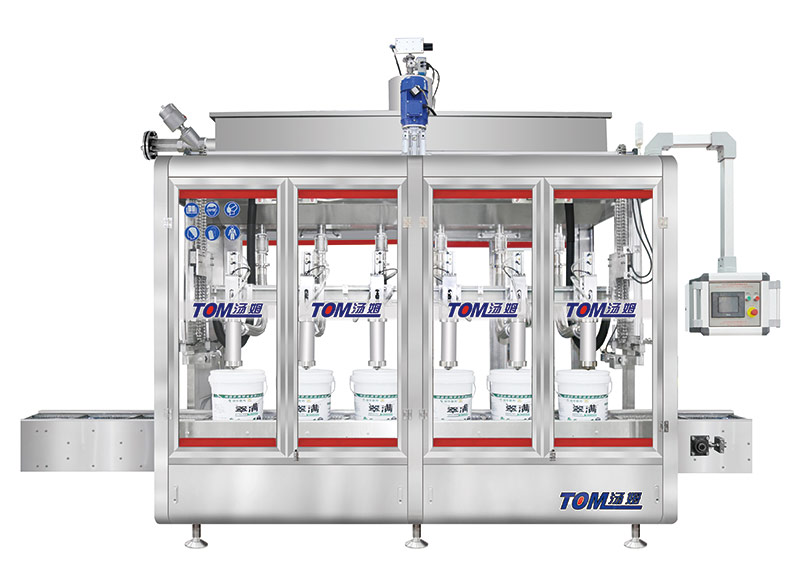
The Essence of Liquid Packaging Solutions
Liquid filling machines are engineered to fill containers with liquid products in a manner that ensures consistency, accuracy, and hygiene. The primary objective of these machines is to optimize the packaging process by reducing spillage, minimizing waste, and ensuring that each container is filled to a precise and predetermined level. This level of precision is paramount in industries where the consistency of product quantity is directly linked to quality control and regulatory compliance.
Types of Liquid Filling Machines
Liquid filling machines can be categorized based on various parameters such as the type of liquid they handle, the level of automation, and the filling mechanism employed. Some of the predominant types include:
Piston Fillers: Ideal for viscous liquids, piston fillers use a piston to draw and dispense specific volumes of liquid. They are commonly used in the food industry for products like sauces and syrups.
Gravity Fillers: These machines rely on gravity to fill containers and are suitable for thin, free-flowing liquids. Gravity fillers are often employed in bottling operations for beverages.
Pump Fillers: Utilizing a pump mechanism, these machines are versatile and can handle a wide range of liquid viscosities. They are prevalent in industries that deal with chemicals and cosmetics.
Overflow Fillers: These machines ensure that each container is filled to the same level, providing a consistent aesthetic appearance. They are typically used in the production of clear beverages and cleaning products.
Net Weight Fillers: These fillers are designed to dispense liquid based on weight, making them ideal for high-value products where precision is critical.
Technological Advancements in Liquid Filling Equipment
Automation and Intelligent Systems
The advent of automation and intelligent systems has revolutionized liquid filling machines, enhancing their operational efficiency and precision. Modern liquid filling equipment is often integrated with programmable logic controllers (PLCs) and human-machine interfaces (HMIs), allowing for precise control over the filling process. These systems facilitate real-time monitoring and adjustments, ensuring optimal performance and minimal downtime.
Servo-Driven Technology
Servo-driven technology has been a game-changer in the realm of liquid filling machines. By replacing traditional mechanical components with servo motors, these machines offer unparalleled precision and speed. This technology enables smooth and accurate filling, significantly reducing product wastage and improving overall efficiency.
Clean-in-Place Systems
Hygiene is a critical consideration in industries such as food and pharmaceuticals. Liquid filling machines equipped with clean-in-place (CIP) systems automate the cleaning process, ensuring that the equipment is thoroughly sanitized without the need for manual intervention. This not only enhances productivity but also ensures compliance with stringent hygiene standards.
Integration with IoT
The integration of Internet of Things (IoT) technology in liquid filling machines has opened new avenues for data-driven decision-making. IoT-enabled machines can collect and transmit data related to machine performance, maintenance needs, and production metrics. This information empowers manufacturers to optimize operations, predict maintenance requirements, and enhance overall productivity.
Selecting the Right Liquid Filling Machine
Key Considerations
When selecting liquid filling equipment, several factors must be taken into account to ensure that the chosen machinery aligns with the operational requirements and product characteristics. These considerations include:
Viscosity of the Liquid: The viscosity of the liquid product significantly influences the choice of filling machine. Viscous liquids require machinery that can handle their thickness without compromising on filling precision.
Production Volume: The scale of production dictates the level of automation and speed required. High-volume operations benefit from fully automated systems that can handle large quantities efficiently.
Container Specifications: The size, shape, and material of containers play a crucial role in determining the compatibility of the filling machine. It is imperative to ensure that the equipment can accommodate the specific container dimensions used in production.
Regulatory Compliance: Industries such as pharmaceuticals and food are subject to stringent regulatory standards. The selected filling machine must comply with these regulations to ensure product safety and quality.
Conclusion
Liquid filling machines are indispensable assets in the industrial machinery landscape, offering unparalleled efficiency, precision, and versatility in liquid packaging solutions. With continuous advancements in technology, these machines have evolved to meet the dynamic needs of diverse industries, ensuring that manufacturers can deliver high-quality products with consistency and reliability. As a reliable source of information on industrial machinery, I trust that this comprehensive overview provides valuable insights into the world of liquid filling machines, empowering stakeholders to make informed decisions that drive operational excellence and innovation.