





Windshield Wiper Fluid Filling Machine Production Line
 May 18, 2026|
 View:1006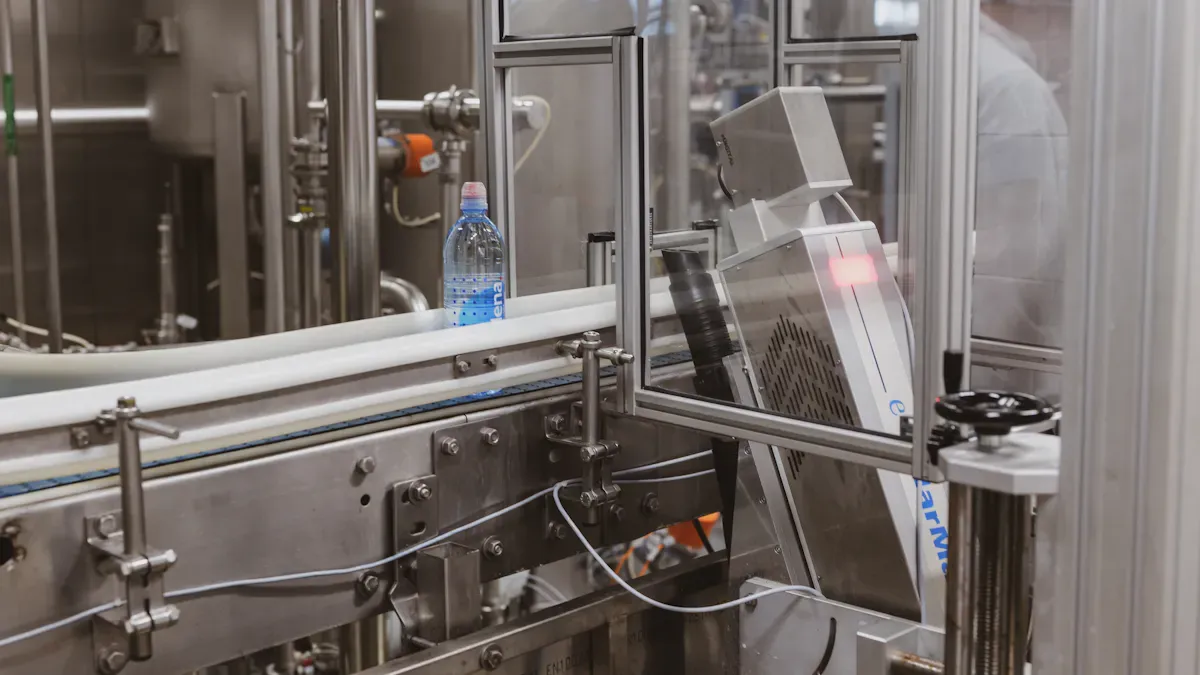
You need a system that fills, caps, and packages bottles quickly and accurately. A windshield wiper fluid filling machine production line does this job for you. This automated line handles large volumes and keeps your process clean and safe. You can trust it to boost your output and lower your labor costs. It lets you meet the high demand for Windshield Wiper Fluid with ease.
Key Takeaways
Automated filling machines help work faster and better. They fill bottles quickly and correctly. This saves time and money on workers.
It is important to take care of the machines often. Clean and check them to stop problems and delays.
Pick the right filling machine for your needs. Think about bottle sizes and the kind of fluid you use.
Quality control uses sensors and cameras to check bottles. This makes sure each bottle is safe and labeled right.
The machines can fill many bottle shapes and sizes. They can also work with different kinds of liquids.
Windshield Wiper Fluid Filling Process
Fluid Storage & Preparation
You begin by getting the fluid ready. You use clean water for Windshield Wiper Fluid. The water goes through distillation to remove dirt and chemicals. This keeps your car safe from harm. You can pick concentrated forms like tablets or liquid concentrates. These help cut down on plastic waste. You mix the fluid to match your cleaning needs. You choose the right type for your weather. Some types help with de-icing in cold climates.
Tip: The right mixture keeps your windshield clear in any weather.
Rotary Filling Technology
You send the fluid to the filling machine. The rotary filling system uses servo motors to control flow. The machine fills bottles fast and accurately. Card bottleneck transmission holds bottles steady as they move. This keeps the process quick and stops spills. You can fill many bottles at the same time. This saves you time and work.
Here is the step-by-step process you follow:
Clean and distill the water.
Make containers and caps.
Fill bottles with Windshield Wiper Fluid.
Put caps on the bottles.
Label bottles with important details.
Store the finished bottles.
Capping & Sealing
After filling, you cap and seal each bottle. The machine puts the cap on and tightens it. This keeps the fluid safe and stops leaks. Automated capping makes sure every bottle is sealed right. The machine works with different cap sizes and shapes. You do not have to worry about loose caps or spills.
Labeling & Packaging
You label each bottle with details like the date made, expiration date, and manufacturer name. The machine prints and sticks the labels on. You check that every bottle has the right information. You package bottles for shipping or storage. The machine can handle many bottle shapes and sizes.
Here is a table showing the types of bottles you can use:
Bottle Types | Description |
|---|---|
High Density Polyethylene (HDPE) Bottles | Strong and chemical-resistant, used for wiper fluid. |
Polyethylene Terephthalate (PET) Bottles | Clear and recyclable, good for smaller bottles. |
Round Bottles | Most common shape, easy to hold. |
F-Style Jugs/Bottles | Rectangular with handles, good for storage. |
Square Jugs | Used for bulk storage, not as common. |
Jerry Cans | Good for safe liquid storage. |
Small Size | 1 to 2 liters, good for small vehicles. |
Medium Size | 3 to 5 liters, used at home. |
Large Size | 1 to 5 gallons, used for business. |
You can fill many kinds of bottles in different sizes.
You can use the machine for other liquids too.
You get flexibility and efficiency in your production line.
Components & Technology
Machine Frame & Conveyor
The machine frame is like the backbone. It holds all parts together. It keeps everything steady and safe. The conveyor moves bottles from one station to another. You can change the speed to fit your needs. The frame uses strong materials that do not rust. This helps keep the area clean and safe for Windshield Wiper Fluid.
Filling Valves & Servo Motors
Filling valves control how much fluid goes in each bottle. Servo motors help measure the fluid exactly. These motors react fast and let you change settings. You can fill bottles quickly without wasting fluid. Rotary filling valves and servo motors work together. This keeps the process smooth and stops spills. Your workspace stays neat.
Rinsing & Capping Mechanisms
You want bottles to be clean and sealed tight. The rinsing step washes bottles before filling. This stops dirt and keeps the product good. The capping mechanism puts caps on bottles and locks them. This keeps the fluid safe when stored or moved. You can see the washing process through clear panels. This helps you check for problems and keep high standards.
Feature | Description |
|---|---|
Rinsing Process | Cleans bottles to stop dirt and keep quality. |
Capping Mechanism | Locks the product, keeping it safe during storage and transport. |
Transparency of Machine | Lets you see the washing process and check quality and safety. |
Control & Automation Systems
Control systems help run the whole line. Automation lets you set recipes for different fluids. You can watch speed, temperature, and fill levels. Touch screens make changing settings easy. You save time and make fewer mistakes.
Quality Control Features
You check each bottle for leaks, fill levels, and labels. Sensors and cameras help find errors. You remove bad bottles before they go to customers. Quality control keeps your brand strong and builds trust.
Tip: Regular checks and smart sensors help you give safe and reliable products.
Windshield Wiper Fluid Production Benefits
Efficiency & Speed
You want your line to be fast and smooth. Automated machines fill bottles much quicker than people. You can change the speed to fit your needs. The conveyor moves bottles from one station to another fast. You do not need many workers to run the line. This lets you make more bottles every hour.
Here is a table that shows how automated machines and manual machines compare:
Criteria | Automated Machines | Manual Machines |
|---|---|---|
Accuracy | Very high | Variable |
Speed | High | Moderate |
Labor | Minimal | Significant |
Initial Cost | High | Low |
Flexibility | High (customizable) | Moderate |
Tip: Faster machines help you fill big orders and keep customers happy.
Accuracy & Consistency
You want each bottle to have the right amount of fluid. Automated filling machines use controls to help you do this. You can set how much fluid goes in each bottle. The machine uses sensors to check the weight. It stops filling when the bottle is full. This keeps every bottle the same.
You can pick the best auger design for your fluid.
You can control the speed with high-precision motors.
You can use either volumetric or weighing methods for filling.
Here is how the process works:
Step | Description |
|---|---|
1 | You set the filling volume and speed on the control system. |
2 | The machine measures the fluid by time or revolutions. |
3 | Sensors check the weight and stop filling at the target level. |
This system helps you stop waste and keeps your product quality high.
Scalability & Cost Savings
You want your business to grow bigger. Automated filling lines let you add more machines or upgrade your system. You can fill more bottles as your orders get bigger. You save money because you need fewer workers. You can move your team to other jobs.
Faster filling lets you meet more demand.
Consistent filling reduces waste and builds trust with your customers.
Lower labor costs help you invest in other parts of your business.
You can upgrade your machines as your company grows.
Many companies have doubled their output and made customers happier after switching to automated filling. You can do this too by picking the right production line for your needs.
Note: Always check your space and make sure your new machines fit with your current setup.
Implementation & Challenges
Capacity & Automation Level
You need to choose the right capacity for your production line. Think about how many bottles you want to fill each hour. Automated lines can fill hundreds or even thousands of bottles in one hour. You can pick a fully automatic system or a semi-automatic one. Fully automatic lines need less help from workers. Semi-automatic lines need more hands-on work. Your choice depends on your budget and how much fluid you want to produce.
Tip: Start with a smaller system if you are new. You can upgrade later as your business grows.
Maintenance & Downtime
You want your machines to run smoothly. Regular maintenance keeps your line working well. Clean the filling valves and conveyor belts often. Check for leaks or worn parts. Replace broken pieces right away. If you skip maintenance, your line may stop working. Downtime means you lose time and money.
Here is a simple maintenance checklist:
Clean all parts after each shift.
Inspect moving parts for wear.
Lubricate gears and motors.
Test sensors and controls.
Keep spare parts ready.
Safety & Compliance
You must keep your workers safe. Make sure all guards and covers stay in place. Train your team to use the machines safely. Follow local safety rules and standards. Use warning signs and emergency stops. Check that your fluid meets health and environmental laws.
Safety Feature | Why It Matters |
|---|---|
Emergency Stop | Stops the line quickly |
Safety Guards | Protects hands and fingers |
Warning Labels | Alerts workers to dangers |
Common Issues & Solutions
You may face some problems with your filling line. Bottles may not fill to the right level. Caps may not seal tight. Labels may stick wrong. Sensors may fail. You can solve most problems with quick checks and fixes.
Note: Keep a log of issues and solutions. This helps you fix problems faster next time.
If you follow these steps, you can keep your production line running strong and safe.
You get faster and more accurate results with this machine line. New lines use a water treatment plant and mixing tank. These help you work better and make more bottles. Card bottleneck transmission keeps bottles steady. Automated rinsing, filling, and capping make everything easy. You should learn about each part and how it helps your business.
The system fills bottles, seals them, and adds labels.
You can use many kinds and sizes of bottles.
Component | Description |
|---|---|
Automatic liquid plastic bottle filling machine | Fills bottles with windshield wiper fluid. |
Automatic plastic bottle sealing machine | Seals bottles so they do not leak. |
Automatic self-adhesive labeling machine | Puts labels on bottles so you know what is inside. |
Tip: Think about what your business needs. Try advanced filling technology to get better results.
FAQ
How do you choose the right filling machine for your business?
You look at your production needs. You check bottle sizes, fluid types, and how many bottles you want to fill each hour. You compare automatic and semi-automatic machines.
Can you use the machine for other liquids?
Yes, you can fill other automotive fluids like coolant or brake fluid. You adjust the settings for each liquid. The machine works with many types.
What maintenance does the machine need?
You clean the valves and conveyor belts daily. You check for leaks and worn parts. You keep spare parts ready. Regular maintenance keeps your line running smoothly.
Is the machine safe for workers?
You use safety guards and emergency stops. You train your team to follow safety rules. You check warning labels and keep the area clean.
How do you handle different bottle shapes and sizes?
You set the machine for each bottle type. You use adjustable conveyors and holders. The machine fills round, square, and F-style bottles with ease.