





Fully automatic 50-5000ML dialysate filling machine
 Mar 31, 2026|
 View:118
You use a fully automatic 50-5000ML dialysate filling machine to get dialysate solution ready for dialysis. This machine makes sure each batch has the right mix and amount. Automation runs the process, which helps stop germs and keeps things clean. High accuracy keeps patients safe and helps them get better results. The machine can fill from 50 to 5000 milliliters, so it works for many clinics or factories.
The table below shows how advanced features in these machines help keep patients safe and improve results:
Feature | Impact on Patient Safety and Outcomes |
|---|---|
AI Capabilities | Predicts problems and gives early warnings for better safety. |
Robotics in Automation | Lowers the risk of germs during important steps. |
Modern APD Cyclers | Helps people follow treatment and lowers infection with automatic steps. |
Key Takeaways
A fully automatic dialysate filling machine helps make dialysate safely and correctly for dialysis. This helps patients get better care. - Automation lowers the chance of germs and mistakes by people. This makes treatments more reliable. - It is important to keep the machine in good shape and use it right. This keeps dialysis safe and working well. - The machine has smart features like AI and robotics. These help find problems early and keep things very clean. - Picking the best machine can make treatments better. It also makes patients happier in clinics and hospitals.
What is a dialysate filling machine?
Purpose in dialysis treatment
A dialysate filling machine helps make dialysis safer and better. This machine gets the dialysate solution ready for use. Dialysate is a special fluid used in dialysis. It helps take out waste and extra water from your blood. This happens when your kidneys cannot do it. The machine mixes acid concentrate and bicarbonate concentrate with treated water. It uses the right amounts for each part. The solution matches what your body needs. The dialysate filling machine uses cylinders, valves, sensors, and pumps. These parts help keep the mix correct. The machine checks the process and keeps the solution safe.
Single-Cylinder-4-Stroke-Diesel-EngineDialysate filling machines are important for your health. They make sure the dialysate is always ready and safe to use.
Role in dialysate preparation
The dialysate filling machine works behind the scenes. It gets the solution ready for every dialysis session. The machine mixes the ingredients as you need them. This means you get fresh dialysate each time. It uses a clean path to move water and concentrates. This keeps germs away. Ultrafiltration units inside the machine remove bacteria and toxins. This keeps the solution pure. The process meets high standards for being clean and safe. The machine helps make dialysate quickly and safely. You can count on it to give you a good solution. This helps you feel better and stay healthy.
Here are some ways the dialysate filling machine helps your dialysis:
Gives the right mix for safe treatment
Keeps things clean with ultrafilters
Makes fresh dialysate for each session
Helps therapy work well and be reliable
Key features and benefits
Capacity and automation
A fully automatic dialysate filling machine can fill many sizes. It works with 50 to 5000 milliliters. This means small clinics and big hospitals can use it. The machine does all the work by itself. You do not have to watch it all the time. This saves you time and helps stop mistakes. Servo motors and synchronous belts help the machine move parts. They make sure each container gets the right amount.
Because the machine is fully automatic, you do not touch the solution. This helps keep germs away during filling.
Here is a simple table that shows how fully automatic machines are different from manual or semi-automatic ones:
Feature | Fully Automatic Machines | Manual/Semi-Automatic Machines |
|---|---|---|
Automation Level | Complete automation | Needs manual help |
Filling Accuracy | High accuracy | Lower accuracy |
Labor Costs | Lower over time | Higher |
Contamination Risk | Very low | Higher |
Changeover Speed | Fast | Slow |
Monitoring | Remote and intelligent | Limited |
Precision and safety
You want each batch of dialysate to be safe and right. The dialysate filling machine uses special mass flow meters. These meters measure every ingredient. This makes sure the mix is always correct. The machine checks itself at every step. If there is a problem, it warns you fast. You can trust the machine to follow medical rules and keep you safe.
Here are some good things about this precision and safety:
The machine works well every time
There are fewer mistakes from people
You can switch batch sizes quickly
The machine is quiet, so work is nicer
You can feel sure your dialysate is made with care and is always right.
How the dialysate filling machine works
Mixing and preparation process
First, the machine starts by mixing the ingredients. It uses clean water and adds acid and bicarbonate concentrates. Pumps and sensors help measure each part. The machine mixes everything in the right amounts. This makes a solution that meets medical rules. The mixing area stays closed to keep out germs. You do not have to touch the solution at all. The machine checks the temperature and how fast things move. If there is a problem, you see a warning on the screen. This helps you fix things quickly and keeps the solution safe for people.
Filling and delivery steps
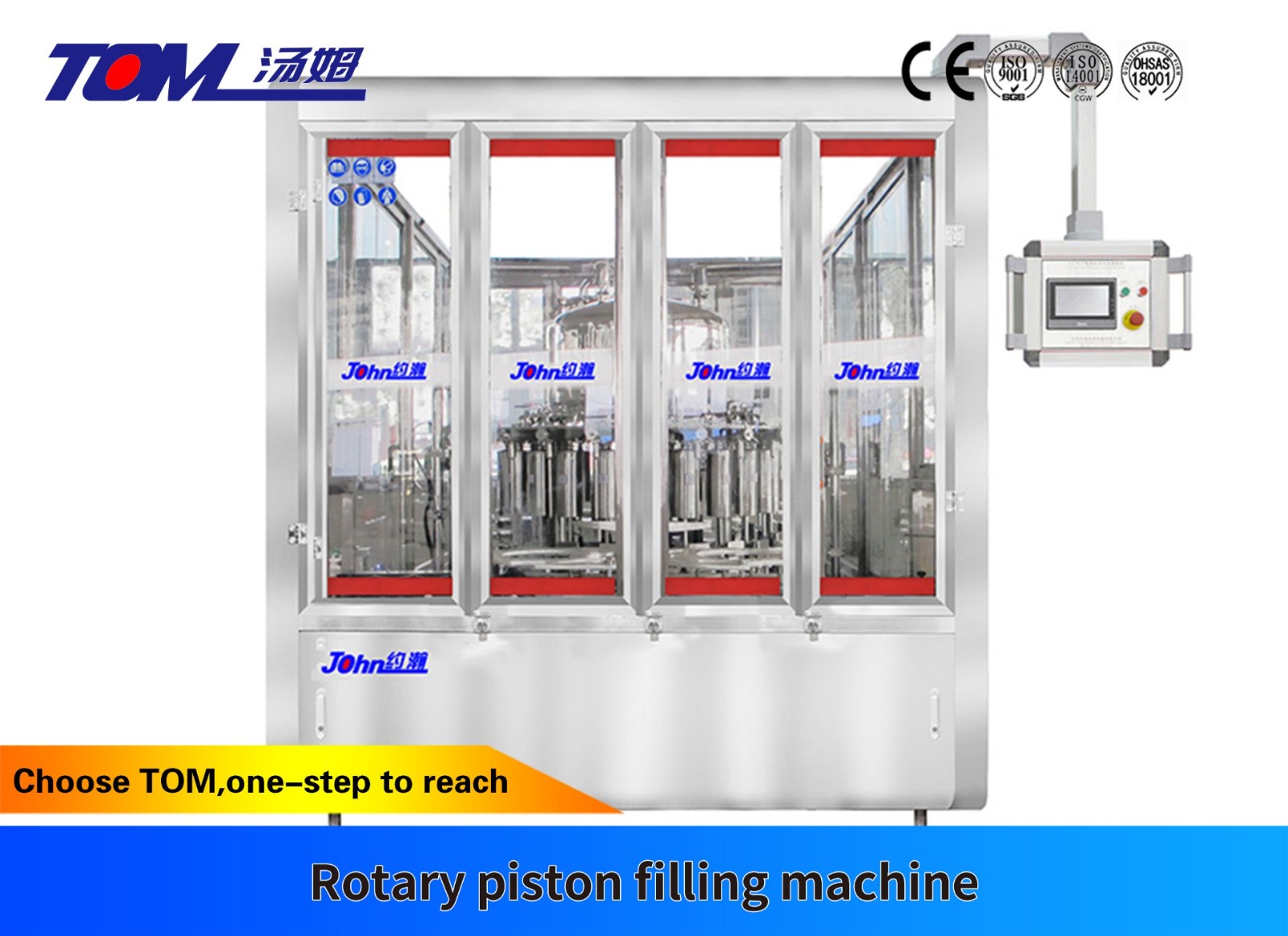
Next, the machine fills and delivers the solution. It uses special clean tubing to keep the solution safe. The machine fills many bags at the same time. Each bag gets the same amount of dialysate. You can trust the machine to fill every bag just right. The process has checks to keep the solution pure and safe.
The filling step uses clean tubing to stop germs.
The machine fills several bags at once, so all bags match.
Chemical tests check some bags to make sure the mix is right.
Microbiologic tests look for bacteria and toxins in the fluid.
The fluid stays clear with no bits inside, even after hours.
You do not need to worry about mistakes or germs. The machine takes care of each step carefully.
Quality control measures
You want every batch to be safe and follow the rules. The dialysate filling machine uses many checks to help with this. These steps help you meet medical guidelines and keep people safe. You can see the main quality control steps in the table below:
Quality Control Measure | Description |
|---|---|
QAPI Procedures | You make and check plans to be sure the dialysate always meets the rules. |
Dialysate Testing | You send samples from each machine to a lab to check the electrolyte levels, especially when you use new machines or change concentrates. |
Conductivity and pH | You check the conductivity and pH with a separate device before each treatment. |
Bacteriological Testing | You test for bacteria and toxins every week for new systems and every three months for all machines. |
Disinfection Protocols | You clean and retest the system if bacteria or toxin levels get too high. |
Additive Procedures | Only trained staff can add extra electrolytes, and they must follow special mixing rules. |
Material Standards | All machine parts must not react with the dialysate or concentrates. |
Storage Protection | You keep dialysate parts safe from tampering and extreme conditions. |
Transfer Control | You follow rules to stop different concentrates from mixing by mistake. |
These steps help you make sure every batch of dialysate is safe, clean, and ready for patient care.
Main components and technology
Pumps and sensors
Pumps and sensors are important parts of the dialysate filling machine. They help make sure you get the right amount of dialysate each time. Most machines use valveless piston pumps. These pumps are very accurate and give a steady flow. They can move different fluids, like dialysate, without breaking often. You do not need to fix them much, so the machine keeps working.
Sensors help the pumps by checking the flow and measuring each part. They watch for changes in pressure, temperature, and fluid levels. If something is wrong, the sensors send a warning. This helps you fix problems before they get worse. You can count on the sensors to keep things safe and running well.
Here are the main types of pumps and sensors you will find:
Valveless piston pumps move fluids exactly and reliably
Flow sensors measure how much fluid goes through the system
Pressure sensors check for leaks or blockages
Temperature sensors keep the dialysate at the right heat
Pumps and sensors work together to make sure every batch of dialysate is safe and correct.
Control systems and interface
You use a smart control system and an easy interface to run the dialysate filling machine. The control system is like the brain of the machine. It connects all the parts and makes them work together. You set the treatment steps on the user interface. The machine follows your choices and watches the process.
A good interface helps you make fewer mistakes. For example, a clear screen lets you see important things, like the inlet, without getting confused. Studies show that better screens can cut mistakes in half during important steps, like connecting bag lines. Training materials also help you learn to use the machine safely and fast.
The table below shows the main parts and what they do:
Component | Function |
|---|---|
Extracorporeal Blood Circuit | Moves blood to and from the dialyzer and stops clots. |
Dialyzer | Cleans the blood by changing substance levels. |
Balance Chamber | Keeps fluid input and output equal, controlling dialysate flow. |
DF Preparation | Mixes water with concentrates for accurate dialysate. |
DF Water Preparation | Heats and removes gas from water before mixing. |
Bypass | Separates the dialyzer from dialysate flow for safety. |
User Interface (UI) | Lets you set and watch treatment steps. |
Control System | Runs all machine parts and keeps everything working well. |
With these smart controls, you can trust the machine to give safe, reliable dialysate for every treatment.
Usage considerations
Maintenance needs
You need to keep your dialysate filling machine working well. This helps make sure treatments are safe and always work. Taking care of the machine stops it from breaking down. It also helps your clinic run without problems. Here are some steps you should follow:
Always use the machine the way the manufacturer says.
Plan to check and fix the machine at least once a year, or more if needed.
Clean and disinfect the machine on a regular schedule.
Test for chemicals and germs often to keep things safe.
Put clear labels on all equipment and write down every repair.
Only let trained workers fix or check the machine.
Tell someone right away if the machine has a problem. Do not use broken machines until they are fixed.
Keep records of all repairs and checks.
Use safety checks to make sure the dialysate is always safe.
If you follow a good maintenance plan, your machine will have fewer problems and less time when it cannot be used. Clinics that teach their staff well have happier patients and better treatments.
Compatibility and operation
You need to make sure your dialysate filling machine works with your other machines. If you do not check this, you could have problems. These problems can stop treatment or even put patients in danger. The table below shows some common problems:
Problem Type | Specific Example | Potential Risk |
|---|---|---|
Connector Size | Tubing connector does not fit machine port | Poor sealing or cannot install |
Conductivity Sensor | Solution concentration outside machine’s calibration range | False alarms or treatment interruption |
Data Interface | Wireless protocol mismatch with management system | Records do not sync |
To stop these problems, you should:
Pick supplies that fit many machines and follow rules like ISO 23500 and ISO 8637.
Buy things that work with different brands to make things easier.
Ask your suppliers for clear information about what works together.
If you do these things, your work will go smoothly and treatments will be safe. You help keep your patients safe and make your job simpler.
You can count on a fully automatic 50-5000ML dialysate filling machine to get dialysate ready fast and safely. This machine makes sure the results are always right. It helps you finish work faster and make fewer mistakes. Every batch helps keep patients safe. Both clinics and factories find this technology helpful. If you want dialysate you can trust, think about getting this machine for your place.
Picking the best machine helps you give better care and helps everyone get good results.
FAQ
How do you clean the dialysate filling machine?
You need to follow the manual for cleaning. Use only disinfectants that are approved. Clean every part and all the tubing. Always put on gloves before you start. After cleaning, look for leaks or broken parts.
Can you use this machine for other medical fluids?
Only use this machine for dialysate unless the maker says it is safe for other fluids. Using it for other liquids can be risky and unsafe.
What happens if the machine shows an error?
Turn off the machine right away.
Look at the error message on the screen.
Do what the manual tells you to do.
If you cannot fix it, call a trained technician.
How often should you test the dialysate quality?
Test the dialysate before every treatment. You also need to send samples to a lab when your clinic says to. Testing often helps keep patients safe.