




 Oct 27, 2025
 View:1236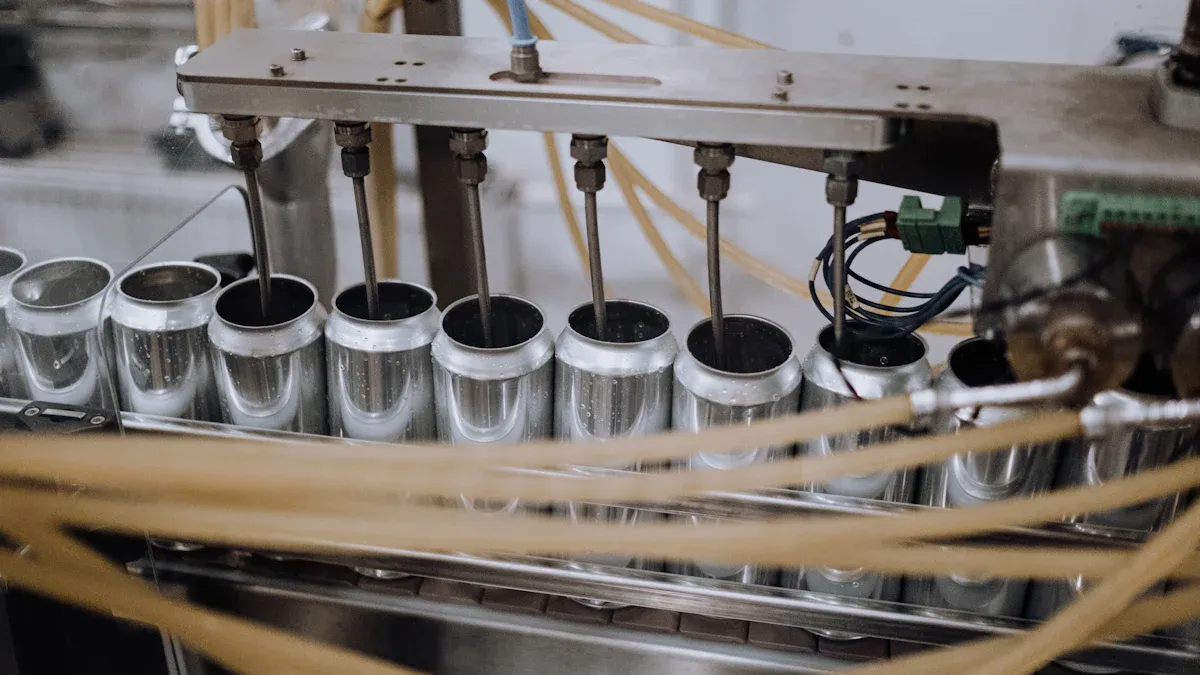
You use a bleach filling machine for hard jobs in factories. These machines help by filling bottles quickly and safely. They work well even with strong chemicals. Many machines are made with Kynar and Teflon. These materials stop rust and damage. Factories work better because the machines last longer. The machines do not break down often. This means less time is needed for repairs. The market for filling machines is growing each year. You can trust that these machines will stay important for bleach and other strong liquids.
Main benefits you get from new machines:
Corrosion resistance stops bleach from causing harm.
Strong build lets machines work in tough places.
Regular care keeps everything working well.
Key Takeaways
Bleach filling machines help factories fill bottles fast and safe. They lower spills and keep workers safe from bad chemicals.
Keeping these machines clean and fixed stops them from breaking. This helps them last longer and saves time and money.
Pick the bleach filling machine that fits your needs best. You can choose manual, semi-automatic, or automatic types.
Safety parts like closed fill heads and shutoff systems keep workers safe. They protect workers from fumes and spills when using the machines.
Machines made with corrosion-resistant materials can handle strong chemicals. These machines do not rust or break easily.
Bleach Filling Machine Overview
What Is a Bleach Filling Machine
A bleach filling machine puts bleach and other strong chemicals into bottles. It helps you work faster and keeps your hands away from dangerous liquids. Factories use these machines because they can fill both thin and thick liquids. There are different types for different jobs. Mini-pinch fillers are good for small tasks. Multi-head rotary fillers are used for big jobs. Some machines use timed flow systems. These are simple to use and easy to clean. Other machines use piston fillers or positive displacement pumps. These give the same amount of liquid in every bottle.
Here is a table that shows what a bleach filling machine can do:
| Function/Capability | Description |
|---|---|
| Types of Fillers | Mini-pinch, rotary, piston, and positive displacement options |
| Operation | Simple controls and easy cleaning |
| Fill to Level Machines | Makes sure every bottle has the same amount |
| Versatility | Fills both water-like and thick liquids |
| Material Quality | Uses stainless steel or special plastics to stop rust and damage |
| Additional Equipment | Works with capping, labeling, and conveyor machines for a full production line |
Tip: Pick a bleach filling machine that fits your needs and is easy to clean.
Main Components
A bleach filling machine has many important parts. Each part helps fill bottles safely and quickly. The main parts are:
Filling Nozzles: These let bleach go into bottles without spilling.
Portable Pneumatic Overflow Filler: This fills bottles fast and keeps things safe.
Sealing Mechanism: It closes bottles tight so no gas gets out and bleach stays fresh.
Safety Features: These keep you safe from fumes and help you follow safety rules.
Conveyor System: Moves bottles through the machine for filling, sealing, and labeling.
You can see the main parts and what they do in this table:
| Component | Role in Filling Process |
|---|---|
| Portable Pneumatic Overflow Filler | Fills bottles quickly and safely |
| Sealing Mechanism | Seals bottles to keep bleach safe and prevent leaks |
| Safety Features | Protects you from fumes and keeps the workplace safe |
Most bleach filling machines use strong materials like PVC polypropylene, PP, Hastelloy, or titanium. These materials do not rust and last a long time, even with harsh chemicals.
Note: Take care of your machine often. This helps stop problems like broken parts, jams, or electrical issues. Always have extra parts ready so you do not lose time.
Operation of Filling Machines
Preparation Steps
Before using bleach filling machines, you must do some steps. These steps help keep everyone safe and make work go well.
Train workers to use chemicals like chlorine and sodium hydroxide.
Make sure your building has good airflow and safety equipment.
Only use machines made from materials that do not rust.
Go over safe ways to use the filling machines.
Write down clear steps for starting, running, and stopping the machines.
Change your rules when new safety laws come out.
Do regular checks to stop breakdowns and save money.
Operators need training and certificates. Start with safety, like wearing gear and knowing what to do in emergencies. Show how to start and stop the machine, put bottles in, and set fill levels. Teach how to clean and check the machine every day. Make training fit the products and bottles you use. Give more classes so everyone remembers what to do.
Note: Good planning helps machines work better and saves money.
Filling and Sealing Process
The filling process uses new technology to keep bleach safe. It also stops spills. The table below shows how the design helps:
| Design Feature | Description |
|---|---|
| Material of Construction | Built from strong materials like PVDF, CPVC, and polypropylene to stop damage. |
| Containment and Fume Control | Has fume systems and splash guards to catch vapors and spills. |
| Filling Technology | Uses piston fillers and peristaltic pumps to keep bleach away from machine parts. |
First, you put bottles on the conveyor. The machine moves each bottle to where it gets filled. The filling heads go into the bottles and put in the right amount. Special pumps keep bleach away from machine parts. This keeps the bleach clean and safe.
After filling, the machine seals the bottles tight. This keeps bleach fresh and stops leaks. New machines can fill and seal 5 to 50 bottles each minute. This fast speed helps you reach your goals and keeps work moving.
Tip: Always look for leaks or spills when filling and sealing. Fixing problems fast keeps everyone safe.
Safety Features
You must keep yourself and your team safe every time you use the machine. Bleach filling machines have many safety parts to lower danger. The table below lists some important ones:
| Safety Feature | Description |
|---|---|
| Enclosed fill heads | Stops you from breathing in bad vapors and lowers spills. |
| Integrated exhaust or ventilation ports | Helps control and catch bad fumes. |
| Splash guards and drip trays | Keeps workers safe from splashes. |
| Tool-free disassembly | Makes it safer to fix the machine. |
| Quick-clean valves and hoses | Makes cleaning easy and safer. |
| Emergency shutoff and lockout features | Lets you stop the machine fast if something goes wrong. |
| Automated systems | Lowers the chance of touching dangerous liquids. |
These features help your work meet world safety rules. Brands like Accutek use smart safety systems to protect workers from strong chemicals. All parts that touch bleach must be made from materials that do not rust, like PP, PTFE, PVDF, or 316L stainless steel. Machines must also follow electrical safety rules.
Remember: Putting safety first makes work safe for everyone.
Types of Bleach Filling Machines
Manual and Automatic Options
There are three main types of bleach filling machines. You can pick manual, semi-automatic, or automatic machines. Each one is good for different jobs and budgets. Manual machines are cheaper to buy. But you need more workers to use them. Automatic machines cost more money at first. They work faster and need fewer people. Semi-automatic machines are in the middle. They are more accurate than manual ones. They do not need as many workers as manual machines.
Here is a table to help you compare:
| Feature | Automatic Filling Machine | Semi-Automatic Filling Machine | Manual Machines |
|---|---|---|---|
| Initial Purchase Cost | Higher | Lower | Low |
| Maintenance | More complex | Simpler | Simple |
| Labor Requirement | Minimal | More labor | Significant |
| Scalability | High output | Small to medium volumes | Low |
| Accuracy | Very high | High | Variable |
| Speed | High | Moderate | Moderate |
| Flexibility | High | Moderate | Moderate |
Tip: If you have a big factory, automatic machines help you save money and work faster.
Automatic machines use new technology. They fill bottles fast and very accurately. You do not need many workers, so you save money. Semi-automatic machines are good for small or medium jobs. Manual machines are best for tiny batches or if you want to spend less.
Gravity Filling Machine
A gravity filling machine uses gravity to move liquid into bottles. You often see this machine when filling bleach or other thin liquids. It has parts made from strong plastics like polyethylene and PVC. These parts keep you safe and protect the bleach.
You get many good things with a gravity filling machine:
It works well with thin liquids that do not change much.
It helps stop bubbles when filling bottles.
It is simple to clean and take care of.
You can use a gravity filling machine for bleach, acids, and other strong chemicals.
It also works for solvents, alcohol, and special chemicals.
It is best for liquids that do not make a lot of foam.
Here is a quick look at how gravity filling machines compare to other types:
| Feature | Gravity Filler | Piston Filler | Pump Filler | Flow Meter Filler |
|---|---|---|---|---|
| Best For | Thin liquids | Thick liquids | Medium liquids | High-value products |
| Cost | Low | High | Medium | Highest |
| Accuracy | Lower | High | Moderate | Highest |
| Maintenance | Easy | Harder | Moderate | Complex |
A gravity filling machine is a simple and cheap way to fill bottles with bleach. It is easy to use and keeps your team safe.
Industrial Applications
Bleach and Cleaning Products
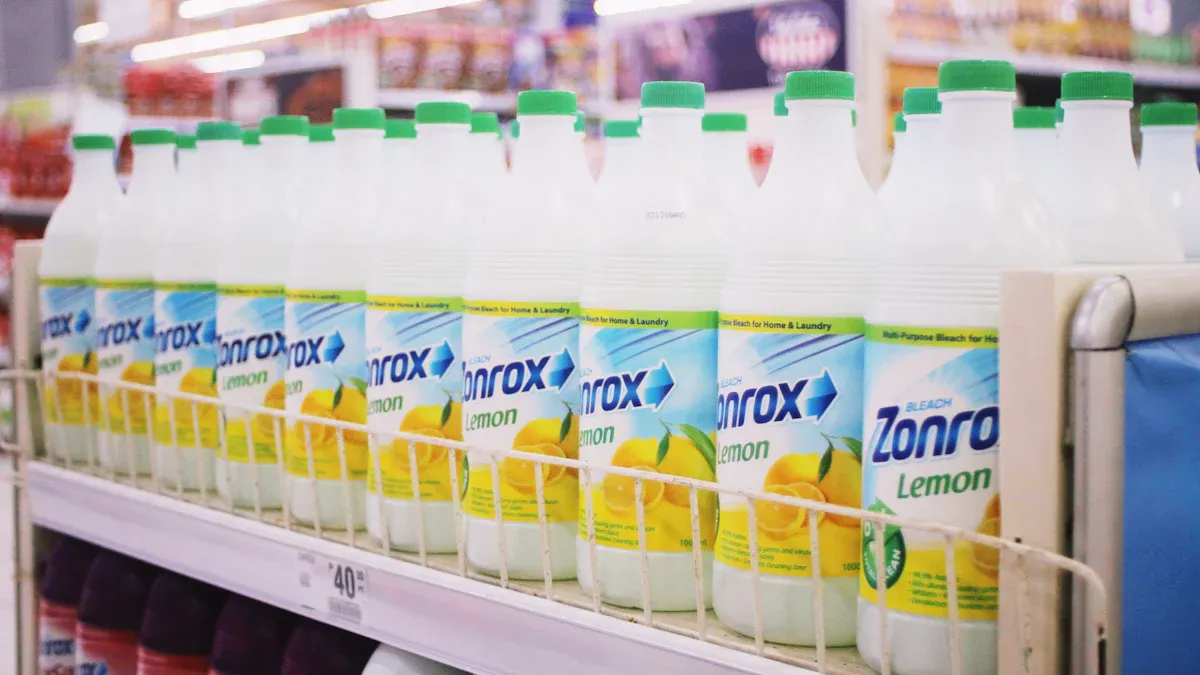
Bleach filling machines are used a lot for cleaning products. They help fill bottles with bleach and other disinfectants. You can use them for sprays, wipes, and strong bleach solutions. The machines make sure each bottle gets the right amount. This helps your packaging go smoothly and keeps your product good.
Here is a table that shows how these machines help you keep your bleach products consistent and safe:
| Feature | Contribution to Consistency and Quality Control |
|---|---|
| Accurate and Consistent Filling | Makes sure every bottle has the right amount. This stops waste and keeps quality high. |
| Versatile Container Compatibility | Works with many bottle sizes and shapes. This helps fill different containers for customers. |
| Enhanced Product Safety and Cleanliness | Uses seals and anti-drip parts to stop spills and keep bleach clean. |
| Automation and Efficiency | Makes work faster and needs less help from people. This helps you make more products. |
| Easy Operation and Maintenance | Simple design makes it easy to use and clean. This keeps the work area safe. |
| Customization and Integration | Can be changed to fit your needs and works with other machines. This helps you do more work. |
| Compliance with Industry Standards | Follows safety and quality rules. This keeps customers happy and safe. |
You get good quality in every bottle. The machines help stop spills and keep bleach clean. You can fill small bottles or big jugs. The machines help you follow safety rules for packaging. Your bleach stays fresh and works well.
Tip: Pick machines with anti-drip parts. This keeps your work area clean and safe.
Other Applications
You can use bleach filling machines in many other industries. These machines can fill many kinds of liquid chemicals. Here are some ways people use them:
In the wood pulp industry, you use machines made with strong plastics. These last longer and do not rust. You fill and wash pulp with chemicals like hydrogen peroxide and chlorine dioxide. Good washing lets you use less bleach and save chemicals.
For mildew removal, machines fill bottles with strong bleach. This makes the job safe and quick.
In weed control, you fill bottles with herbicides and bleach mixes. The machines help stop spills and keep the liquid pure.
In chemical packaging, you use these machines for acids, alkali liquids, iodine, and other strong chemicals. The machines keep your work safe and fast.
These machines are very useful. You can fill many liquids, not just bleach. You can use them for acids, pesticides, alkali liquids, and iodine. This helps many industries. The machines last a long time and do not need much fixing.
Note: Pick machines made from strong plastics like FRP or PVC. These help you work with harsh chemicals and keep your machines safe.
You also get better quality control. The machines put the same amount in every bottle. This stops waste and keeps your products safe. You can use these machines for both bleaching and cleaning jobs. You can trust them for packaging and disinfecting.
You help your industry meet high safety and quality rules. You also save money because the machines last long. You can use these machines for many liquids, like bleach and other cleaners. You keep your workplace safe and your products good.
You now know how bleach filling machines help you work safely. These machines come in different types for many factory jobs. When picking a machine, think about some key things:
| Factor | Description |
|---|---|
| Product Characteristics | Choose a machine that fits your bleach type and thickness. |
| Container Types | Make sure the machine works with your bottles and jugs. |
| Production Speed | Pick a machine that matches how fast you need to work. |
| Automation Levels | Decide if you want more or less automation for your job. |
| Manufacturer Reputation | Go with brands that have good support and strong machines. |
Machines with anti-corrosion materials and smart controls give better results. These features help you fill bottles with less waste and keep everyone safe. New technology will make machines faster and last longer. You will see more choices and better safety soon.
FAQ
How do you clean a bleach filling machine?
You should rinse all parts with water after each use. Use cleaning agents that do not react with bleach. Always wear gloves and goggles. Check the manual for special cleaning steps.
What safety gear do you need when using these machines?
You need gloves, goggles, and a face mask. Wear a lab coat or apron. This gear keeps you safe from splashes and fumes.
Can you use one machine for different chemicals?
Yes, you can use one machine for many chemicals. Clean the machine well between uses. Make sure the materials can handle each chemical.
How do you choose the right bleach filling machine?
Look at your bottle size, how fast you want to fill, and your budget. Pick a machine made from strong, anti-corrosion materials. Ask the supplier for advice.