





 Oct 20, 2025
 View:1379
Choosing the right engine oil filling machine for your business can be tricky. You need a machine that fits your oil product and production needs. The wrong oil filling machine could slow you down or waste product. Think about the type of oil you use, the containers you fill, and how fast you need to work. Consider what matters most for your business. Focus on your long-term goals before you make a decision.
Tip: Write down your main needs and compare machines to find your best match.
Key Takeaways
Know how thick your oil is. Pick a machine that works with your oil’s thickness. This helps the machine work well.
Pick a filling machine that fits your container’s size and shape. Make sure it can fill the amount you need quickly.
Think about how much automation you want. Automated machines are fast and accurate. Manual machines cost less and are good for small jobs.
Make sure the machine fills the right amount. Accurate machines stop waste and keep customers happy.
Think about your business growing. Pick a machine you can change and make bigger as your business gets bigger.
Key Factors in Choosing an Engine Oil Filling Machine
Oil Viscosity and Product Type
Oil viscosity tells you how fast oil moves. Thick oils move slow. Thin oils move fast. You need to know your oil’s viscosity before picking a machine. Some machines work better with certain oils. Gravity filling machines are good for thin oils. Pressure filling machines are best for thick oils. Pump filling machines can fill both thin and thick oils. They are very flexible.
Oil viscosity changes when the temperature changes. Warm oil moves faster.
Always check your oil’s viscosity before you start.
Think about the temperature and pressure in your workspace.
Tip: If you fill many kinds of oil, choose a machine that works with many viscosities.
Here is a table showing common types of oil filling machines and what they do:
| Type of Filling Machine | Description |
|---|---|
| Volumetric Filling Machines | Fill a set amount each time. They are very accurate. Can use pistons or flow meters. |
| Gravity Filling Machines | Use gravity to fill thin oils. They are simple and cheap. |
| Pressure Filling Machines | Use pressure for thick oils. They fill fast for big jobs. |
| Pump Filling Machines | Work with thin and thick oils. They are very flexible. |
| Manual Filling Machines | You use your hands to fill. Good for small jobs. Cheap but need more work. |
| Semi-Automatic Filling Machines | Need some manual work. Good for medium jobs. |
| Fully Automatic Filling Machines | Do everything by themselves. Best for big, fast jobs. |
| Bottle Filling Machines | Made for small and medium bottles. Often add caps and labels. |
| Drum Filling Machines | Made for big containers. Can hold heavy weights. |
Container Size and Shape
The size and shape of your containers matter. Some machines fill small bottles. Others fill big drums. You need to match the machine to your container.
| Specification | Details |
|---|---|
| Suitable Container Size | 100 ml to 5 liters or more |
| Filling Speed | 10 to 20 containers per minute |
| Filling Capacity | 100 ml to 20 liters (customizable) |
| Filling Technology | Piston filler, gear pump, gravity filler |
| Filling Accuracy | ±0.5% to ±1% |
| Container Types | PET, HDPE, glass, plastic bottles, drums |
Pick a machine that fits your container’s size and shape.
Make sure it fills as fast and as much as you need.
Check if it works with your container material, like PET, HDPE, or glass.
Note: Customizable machines can change to fit different container sizes. This helps if you want to sell more products later.
Manual vs. Automatic Options
You need to choose manual, semi-automatic, or automatic oil filling machines. Each type has its own good and bad points.
| Criteria | Automated Machines | Manual Machines |
|---|---|---|
| Accuracy | Very high | Changes |
| Speed | High | Medium |
| Labor | Not much | A lot |
| Initial Cost | High | Low |
| Flexibility | High (customizable) | Medium |
Automated machines are very accurate and fast. They need less work but cost more.
Manual machines cost less and are easy to use. They need more work and may not be as accurate.
Semi-automatic machines are in the middle. They need some work but are fast and accurate.
Tip: If your business is small, manual or semi-automatic machines may be best. For big jobs, automatic machines give the best speed and accuracy.
When you pick your oil filling machine, think about how much you make, how much work you need, and your future plans. Look for features that help your business grow. The right machine will help you fill better, work faster, and grow your business.
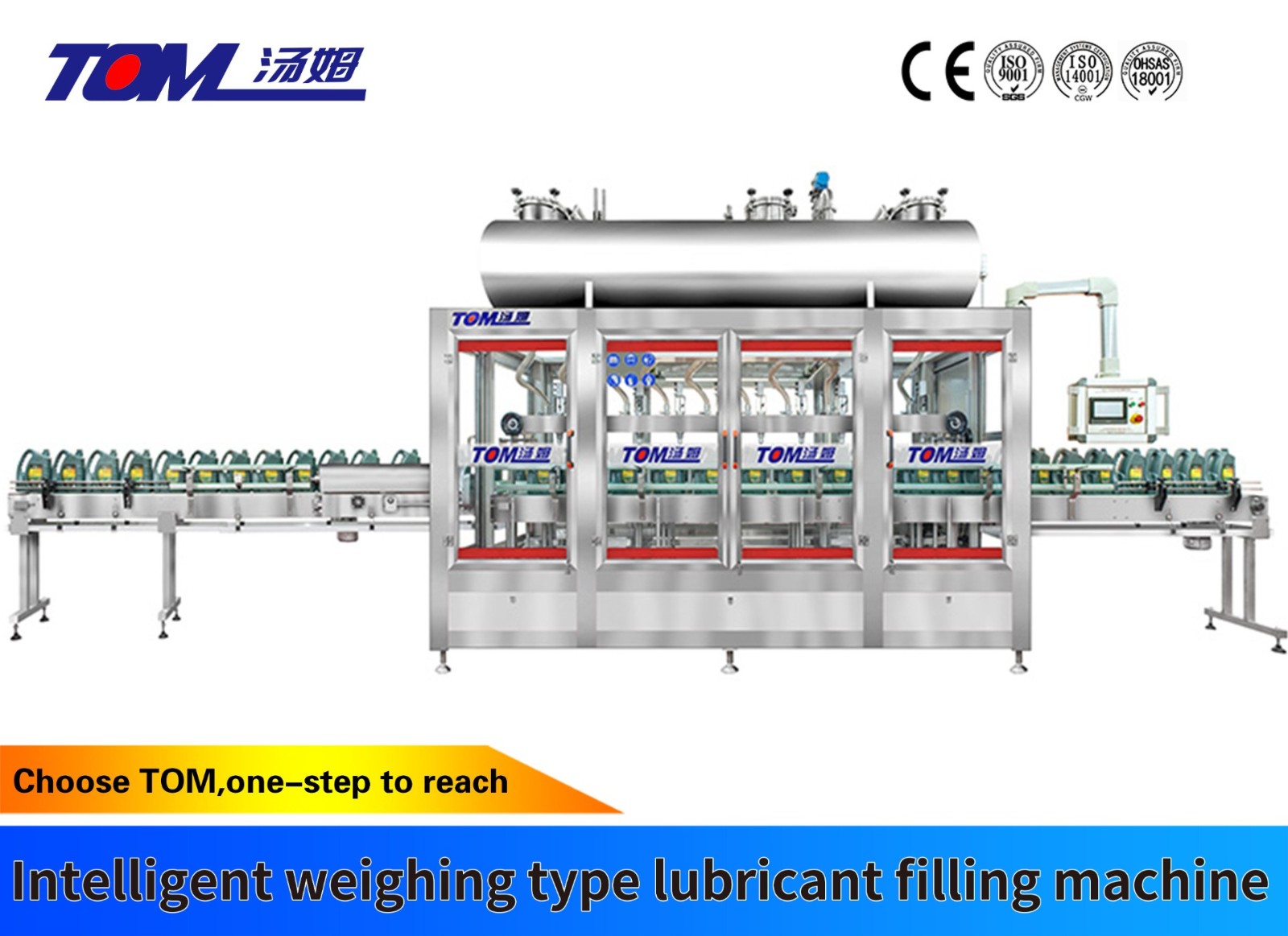
Matching Oil Filling Machine to Production Needs
Production Output and Speed
You need a machine that matches how much you make. Small businesses fill only a few containers each hour. Big factories fill hundreds or thousands every minute. The speed of your machine changes how fast you work. Think about how many bottles you want to fill each hour. Manual or semi-automatic machines are good for small jobs. Fully automatic machines are best for big jobs. Automatic machines fill bottles very fast. They are great for large factories where speed and accuracy are important.
| Container Volume | Filling Speed (per minute) |
|---|---|
| 5 liters | 15 to 20 |
| 1 liter | 30 to 40 |
Tip: Always check the machine’s details for your oil and container size before you buy.
Integration with Packaging Lines
It is important that your machine works with other equipment. Your oil filling machine should work with capping and labeling machines. This helps your work stay fast and neat. Many machines have special features to help you work better. Some machines can fill, cap, and label bottles in one line. Some machines can fill up to 120 bottles each minute. A strong machine will last longer and work better. When your machine works with other machines, you make fewer mistakes and work faster.
| Component | Description |
|---|---|
| Filling Machines | Accurate and efficient lube oil packaging |
| Capping Systems | Adaptable to many cap types for secure sealing |
| Labelling Solutions | Customizable for branding and compliance |
| Packaging Automation | Streamlines operations and increases productivity |
| Customized Configurations | Tailored for seamless integration |
Customization and Scalability
Customization lets you change your machine to fit your needs. You can pick machines for different bottle sizes and shapes. Machines that are easy to clean save you time. They also help you work more. Machines that work with other machines help you grow later. Many new machines can be made bigger as your business grows. These features help you stay ready for new jobs. Companies can make machines just for you. Some machines can be upgraded to fill more oil or new products.
| Customization Option | Description |
|---|---|
| Production Capacity | Handles varying volumes for future growth |
| Compatibility with Container Sizes | Fits different shapes and sizes |
| Easy-to-Clean Design | Reduces downtime and boosts efficiency |
| Integration with Production Lines | Supports current and future setups |
| Tailored Customization | Matches your unique needs |
Note: Scalability means your machine can grow with your business. It works for both small and big jobs.
Importance of Filling Accuracy
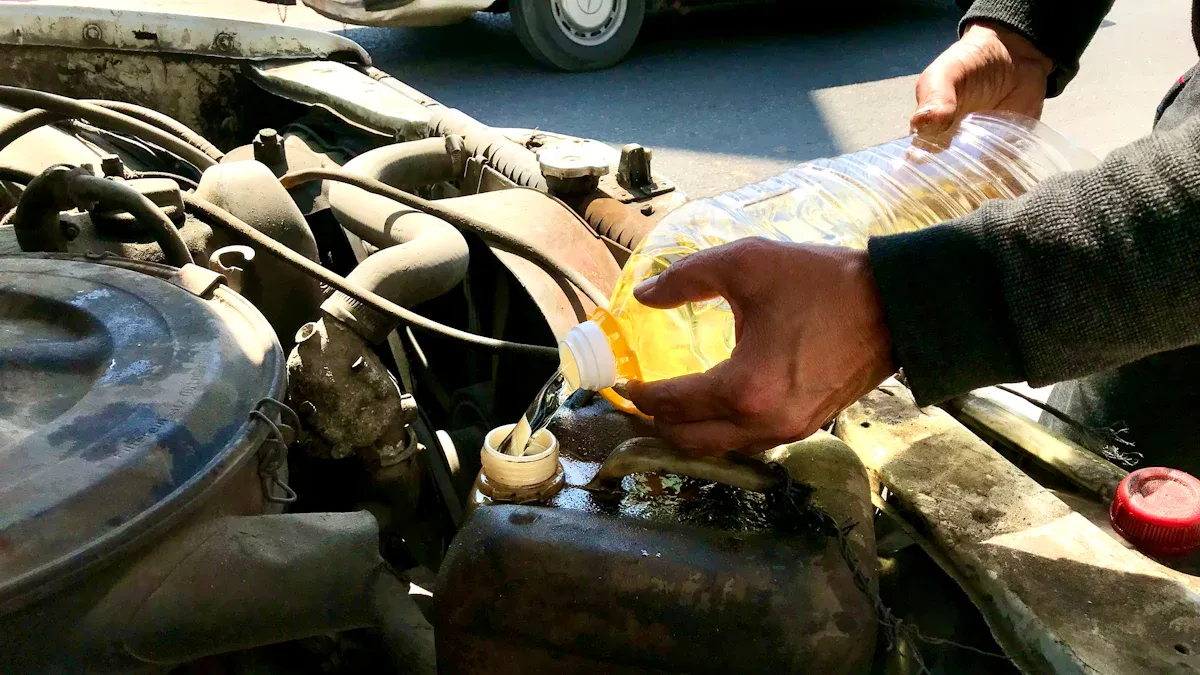
Filling accuracy is very important in the engine oil business. Every bottle must have the right amount of oil. If there is not enough oil, engines may not work well. Too much oil can make leaks or cause damage. Being accurate helps you save money and keeps customers happy. It also helps you follow packaging and labeling rules. Using a machine that fills bottles accurately protects your brand and stops waste.
Here is a table that shows what happens if bottles are not filled right:
| Condition | Consequences |
|---|---|
| Under-filling | Not enough lubrication, more friction, engines get too hot, louder noise, and big damage to parts like crankshaft and camshaft. |
| Over-filling | Oil gets foamy, does not lubricate well, puts too much pressure on crankshaft, causes leaks, and hurts seals and gaskets. |
You should also think about quality and rules. Accurate filling stops you from giving away extra oil and keeps you legal. Customers trust you more when every bottle matches the label.
| Benefit | Description |
|---|---|
| Avoiding product giveaway | Giving too much oil, even a little, can cost a lot over many bottles. |
| Meeting regulations | Filling the same amount each time helps you follow strict rules in many places. |
| Maintaining brand trust | Customers want the label and the oil inside to match. |
Techniques to Achieve Precise Filling
There are different ways to fill bottles with the right amount of oil. Each way helps you get the correct amount in every bottle. Some machines use piston pumps to push out a set amount. Volumetric fillers measure the oil for each bottle. Vacuum fillers use suction to fill bottles to the same height. Overflow fillers make sure every bottle looks the same. Pump fillers are good for thick oils and use timing to be accurate.
| Technique | Description | Benefits |
|---|---|---|
| Piston Pumps | Take a set amount of oil and push it out for steady flow. | Good for exact dosing and measuring. |
| Volumetric Fillers | Measure the right amount for each bottle and waste less oil. | Very accurate and efficient. |
| Vacuum Fillers | Use suction to fill bottles, so all bottles are filled to the same height. | Work with many bottle shapes. |
| Overflow Fillers | Make sure every bottle has the same fill level. | All bottles look the same. |
| Pump Fillers | Work with thick oils and use timing to be accurate. | Great for thick products. |
Modern oil filling machines use smart sensors and many filling heads to work better and be more accurate. Some machines can fill bottles with almost perfect accuracy, like ±0.3%.
How to Ensure Precise Filling with a Lubricant Oil Filling Machine
You can fill bottles accurately by picking the right machine features. Choose machines that measure and control each fill. Pick machines with enough filling heads for your needs. Make sure your machine works with both thin and thick oils. Automatic machines usually give the best speed and accuracy.
Here are some tips to help you:
Use machines that measure and control each fill.
Pick machines with many filling heads for more bottles.
Choose machines that work with all types of oil.
Check and take care of your machine often for best results.
When you focus on filling accuracy, your product quality and efficiency get better. You also follow the rules and earn customer trust. The right oil filling machine helps your business grow and do well.
Cost and Maintenance Considerations
Budget and Investment
When you pick an engine oil filling machine, think about your money now and later. The price changes based on how automatic and big the machine is. Here is a table to help you see the price differences:
| Automation Level | Price Range |
|---|---|
| Small, Manual Liquid Filling Machines | $250 - $1,000 |
| Commercial, Semi-Automatic Machines | A few thousand to $20,000+ |
| Fully Automatic Industrial Machines | Starting at $25,000, up to hundreds of thousands |
Plan your budget for the first cost and for future needs. Experts say you should get a machine that can do 115% of what you need now. This helps if your business grows or you get more orders. Try to find machines that can be made 35–50% bigger later. This helps you change the machine if you need to. When you look at different machines, remember that semi-automatic ones can cost 18% less over five years than manual ones.
Tip: Think about both the price to buy and the money you will spend later when you choose a liquid filling machine.
Fixing, cleaning, and using power can be 62% of what you spend in ten years. The first price may look low, but other costs add up. Always check all the costs before you buy.
Reliability and Maintenance Needs
A good machine should work well and not break often. If your machine stops working, you lose time and money. Most problems happen when you do not take care of your machine. This can slow down your work and make you less productive. Newer machines with smart features help you avoid these problems.
To keep your machine working, do these things:
Clean it after every use so oil does not build up.
Put oil on moving parts to stop them from wearing out.
Check the parts often to find problems early.
Make sure safety systems work to keep everyone safe.
Follow the maker’s rules for oil type and when to refill. Look at oil levels often and keep the level markers clean. Taking care of your machine stops it from breaking and helps it last longer. This makes your work better and more accurate.
Note: You get good and steady fills when you take care of your machine and use new machines with smart features.
Using good lubricants can also help your machine work better and stop it from breaking. This keeps your filling process fast and smooth. Machines that are easy to clean or have parts you can change quickly help you work even better.
When you ask what features to look for in a machine, focus on ones that are strong, easy to fix, and work with your other machines. These things help you get the most for your money and keep your business running well.
Picking the right engine oil filling machine means you need to know your oil type, how thick it is, and how much you want to fill. Here are some steps to help you:
Choose the oil you will use and check its thickness.
Decide how much oil you want to fill and how fast.
Think about how exact you need the fills to be.
Make sure the machine works with your container shape.
Look at how well the machine works and if it breaks often.
Find out if the maker is trusted.
Before buying, talk to people who sell these machines. This helps you find machines that can be changed for your needs, are easy to clean, and work well. Here is what you get when you talk to suppliers:
| Benefit | Description |
|---|---|
| Customization | Machines can be made to fit your oil and containers. |
| Efficiency | Machines with automatic parts help you work faster. |
| Maintenance | Easy-to-fix machines keep your work going. |
| Standards | Machines follow safety and quality rules. |
| Versatility | You can fill many kinds of oils and thicknesses. |
| High Volume | Machines can fill lots of oil at once. |
You should look at things like how much you want to make, what kinds of containers you use, how much space you have, your money, and if you want the machine to work by itself. Think about what you want in the future, like how you will use the machine, if the brand is good, if the price is fair, and if you get help after you buy it. Make a list of what you need for your business. Ask to see the machine work and ask questions. Doing these things helps you choose the best oil filling machine for your business.
FAQ
What are the main types of oil filling machines?
There are many oil filling machines you can pick. Some types are gravity, piston, pump, and vacuum fillers. Each one works best with certain oil thickness and job size. You need to match the machine to your oil and container.
How often should I perform maintenance on my oil filling machine?
You should take care of your machine every day. Clean it after you use it. Check the moving parts once a week. Change any broken parts when needed. Doing this helps your machine work well and stops big repairs.
Why is after-sales support and maintenance important?
After-sales support and maintenance help you fix problems fast. You get help from experts and quick repairs. This keeps your oil filling machine working well. Good support also helps you follow safety rules and avoid long stops.
Can I use one machine for different types of oil?
Yes, you can use one machine for different oils if it can be changed. Some machines work with many oil thicknesses. You should check what the machine can do before you buy it. Clean and take care of the machine when you switch oils.
What should I look for in after-sales support and maintenance?
Look for fast help, easy-to-find spare parts, and clear steps. Good support gives you training, help with problems, and check-ups. This keeps your oil filling machine working its best.