





How do I choose a monoblock filling machine
 Aug 09, 2024|
 View:3050
Product Compatibility: Ensure the machine is compatible with the type of product you plan to fill. Different products may require different filling techniques or materials of construction.
Filling Volume Range: The machine should be able to handle the range of volumes you need to fill. This includes the smallest and largest container sizes you will use.
Accuracy and Precision: High precision is crucial, especially in industries like pharmaceuticals where dosage accuracy is critical. Look for monoblock filling machines with advanced sensors and controls to ensure accuracy.
Speed and Efficiency: Consider the speed of the filling process. Monoblock machines are known for their high-speed capabilities, but you need to ensure it meets your production requirements.
Ease of Operation: The machine should be user-friendly with an intuitive control system. This will reduce the learning curve for operators and improve overall efficiency.
Sanitation and Cleanability: In industries like food and pharmaceuticals, sanitation is paramount. The machine should be easy to clean and maintain, with smooth surfaces and no crevices where product can accumulate.
Modularity and Flexibility: A monoblock filling machine that offers modular design allows for easy adjustments or upgrades as your production needs change.
Scalability: Consider whether the machine can be scaled up to handle increased production volumes in the future.
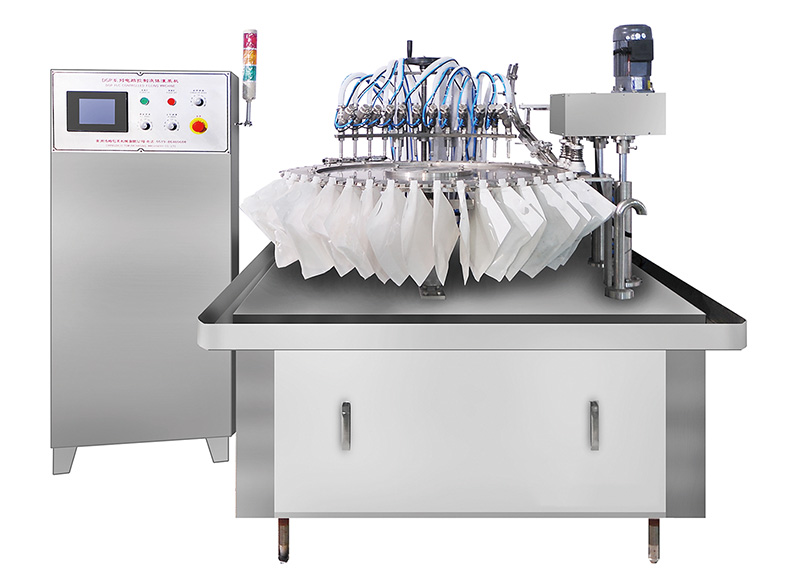
Automation Level: Depending on your production needs, you may require a machine with a higher level of automation, including features like automatic container feeding and sealing.
Reliability and Durability: Look for machines from reputable manufacturers with a history of reliability and durability. This will reduce downtime and maintenance costs.
Cost: While cost is an important factor, it should not be the only consideration. Investing in a high-quality monoblock filling machine may have a higher upfront cost but can save money in the long run through reduced maintenance and increased efficiency.
After-Sales Support: Ensure the manufacturer provides good after-sales support, including spare parts, service, and technical assistance.
Compliance with Regulations: The machine should comply with all relevant industry regulations and standards, such as FDA, GMP, or ISO certifications.
Energy Efficiency: Consider the machine's energy consumption, as more energy-efficient machines can reduce operational costs.
Innovation: Look for monoblock filling machine that incorporate the latest technology and innovations, which can provide better performance and adaptability to future needs.
Customization: Some manufacturers may offer customization options to tailor the machine to your specific production requirements.
Trial Runs: If possible, conduct trial runs with the machine to ensure it meets your expectations in terms of speed, accuracy, and ease of use.
Feedback from Other Users: Seek feedback from other businesses that have used the machine. This can provide valuable insights into the monoblock filling machine's performance and reliability.
Warranty and Service Agreements: Understand the warranty terms and service agreements offered by the manufacturer.
Space Requirements: Ensure the machine fits within your production facility and consider any additional space needed for maintenance or storage.