





High-Speed Monoblock: Fill, Cap & Label in One Machine
 Aug 18, 2026|
 View:246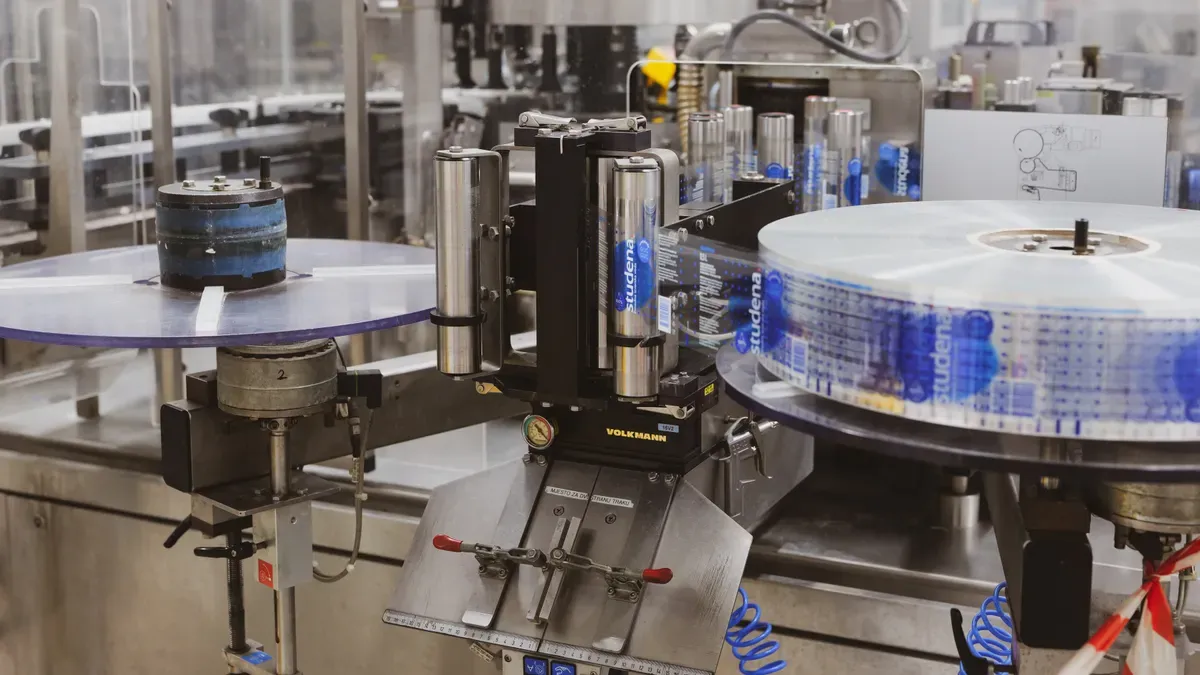
You can change your liquid packaging operations by using a high-speed monoblock packaging system. This single machine combines liquid filling, capping, and labeling into one smooth, automatic process. Traditional factory setups often use separate machines linked by long conveyor belts. These older systems waste useful floor space and need extra workers, which raises the risk of bottles tipping over. Frequent line stops also lower your total output.
A central rotary monobloc system takes the place of separate machines, like a compact inline automatic filler. This smart, space-saving design makes accurate filling easier between each step. The monobloc frame speeds up your production line by raising your maximum output speed. Centralized controls keep your bottle movement steady. Ultimately, you reduce your total equipment costs with this single monoblock machine.
Key Takeaways
Put your filling, capping, and labeling tasks into a single machine frame to save room on your shop floor.
Use exact spinning star wheels and lowering nozzles to stop liquid spills and prevent foam from forming.
Cut your overall staffing expenses by handling the entire packing system using just one worker and a single controls screen.
Earn back your full machine investment in six to twenty-four months through higher daily product output.
Architecture of a High-Speed Monoblock
A high-speed monoblock integrates multiple liquid packaging stages into one continuous mechanical framework. You gain total operational control over your automatic production line when you choose automated liquid filling equipment.
Integrating the Filling and Capping Machine
A central rotary machine mechanism rotates each bottle at a consistent speed between circular stations. This mechanical automatic star wheel maintains precise bottle positioning throughout your production process. Dive-type filling nozzles lower directly to the bottle bottom. Cam mechanisms move these nozzles down during container holds and raise them during filling steps. This diving action minimizes liquid agitation and eliminates foam. Piston metering pumps adjust stroke lengths to enable exact filling volume control. Transparent silicone pipes direct product straight to nozzles without contamination. Non-return valves prevent fill volume variation. Tompacks builds processing machine hardware to these exact engineering standards for liquid, paste, and viscous handling.
Mechanism | Component Function | System Handling Benefit |
|---|---|---|
Rotary Indexing | Star wheels move containers between circular stations | Maintains automatic bottle positioning during high-speed packaging runs |
Dive-Type Nozzles | Cam mechanisms lower nozzles to container bottoms | Prevents foam formation and controls liquid agitation during dosing |
Piston Pumps | Adjustable stroke lengths meter exact product volumes | Ensures exact filling accuracy without liquid volume variation |
Your filling and capping monoblock moves containers directly into multi-head capping machine heads. You can process diverse closure formats on one compact platform:
Spindle cappers with multiple spin wheels or rotary chuck heads twist screw caps with exact torque control
Press-on caps snap into place using controlled downward pressure for cosmetic and food containers
Varied container neck sizes easily accept flip-top lids and spray triggers with secure fastening
Spindle configurations with two, three, or four pairs of spin wheels twist caps rapidly onto bottle necks. Advanced servo motors or magnetic clutches apply exact capping torque to every bottle. Servo-driven tracking capping units continuously align with incoming containers to maintain constant production flow. Quick-change capping heads and adjustable guides handle plastic screw caps, child-resistant closures, and aluminum caps. This prevents loose caps, over-tightening, or cross-threading. Intelligent motion controllers create a smooth, compact automatic capping workflow across varied bottle heights.
Monobloc Labeling and Quality Control
The monobloc framework moves sealed containers directly to integrated label application heads. A monobloc rotary system achieves tighter placement accuracy than the standard ±1 mm inline benchmark. This compact machine holds each bottle firmly during label application to maintain flat, accurate label positioning. Single-frame liquid filling automation protects your compact production line from bottle tipping and transfer errors.
Integrated automatic vision inspection systems continuously verify cap alignment and label placement. Cap inspection modules check seal quality and cap height on the rotary star wheel. Vision labeling systems detect label presence and inspect barcode prints before items leave this compact star wheel. AI-powered vision inspection tools analyze label orientation automatically. This automatic machine removes bad items immediately using pneumatic reject arms. You maintain high production standards while operating compact monobloc machine equipment.
Integrated monobloc features simplify daily line management for your operational team. Smart monobloc controls streamline liquid filling operations and elevate overall factory production output. You minimize downtime through single-frame automatic bottle handling. Continuous machine feedback keeps overall efficiency high.
Key Benefits of Monoblock Systems
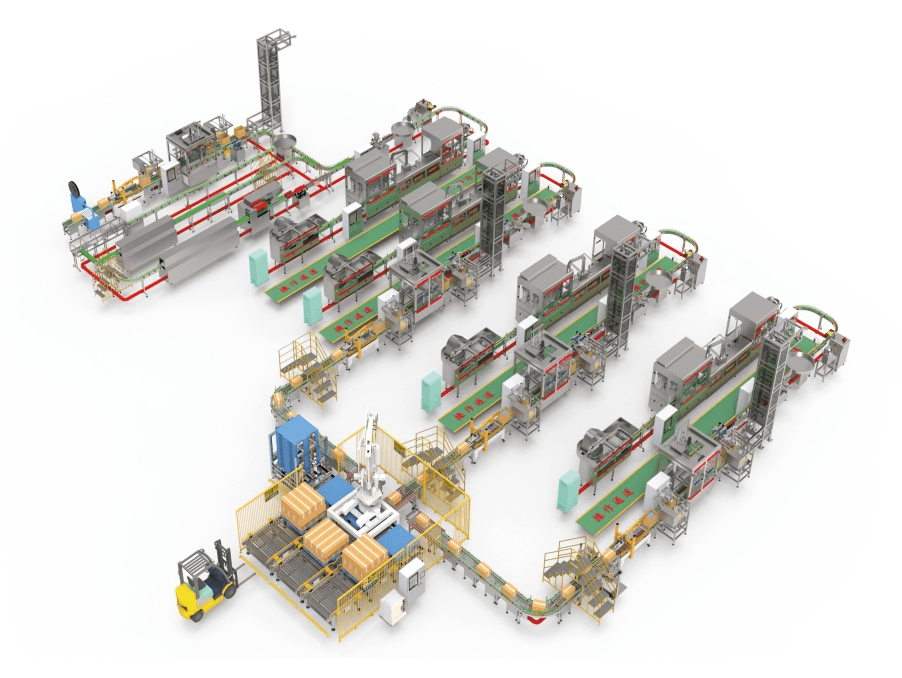
Swapping old packaging lines for all-in-one machines changes your factory floor. Older setups link distinct machines with long conveyor belts. These long belts waste precious plant space and draw extra power. They also raise the chance of containers falling over during movement. A high-speed monoblock gets rid of these connecting transfer belts entirely. You get instant space savings by fitting liquid filling, capping, and labeling tasks inside one mechanical frame.
Maximizing Footprint and Labor Efficiency
Compact machine design changes your operational layout. You save lots of floor space when you set up an automatic monoblock system instead of separate, lone machine units. This streamlined system combination opens up valuable floor space for storing raw materials or stacking finished goods. The unified build offers a compact footprint for small factory rooms.
Combining packaging steps into one single frame cuts down machine size and stops container tipping during line transfers.
You also boost daily worker efficiency across your production line. Older inline setups force workers to watch many distant stations. A single operator now controls the main automatic machine using one easy HMI screen. This central interface displays filling accuracy, capping torque numbers, and label positions in real time. Your operator quickly tweaks settings from one single spot. Single-frame automation simplifies daily tasks and raises total output quality. Plus, routine cleaning runs become faster because workers focus on one single machine frame.
Scaling Beyond Small Automatic Liquid Filling Machine Units
Many growing plants begin liquid production using a small automatic liquid filling machine. These simple units work fine for low-volume runs and small batch sizes. However, separate machinery struggles when you raise daily production goals. A standalone small automatic liquid filling machine needs frequent hands-on checks. It also creates slowdowns during heavy work runs.
Upgrading to a filling and capping monoblock unlocks much higher output limits. The main monobloc star wheel moves every bottle smoothly without stopping the process flow. This steady circular rotation keeps every bottle from spilling liquid or messing up neck threads. A compact inline automatic filler handles slow speeds, but an industrial monobloc machine drives much faster work speeds.
Feature | Standalone Filling Unit | Integrated Monobloc System |
|---|---|---|
Floor Space | Requires long transfer belts | Features a compact single-frame layout |
Container Handling | Higher tipping risk during movement | Secures every bottle inside star wheels |
Process Control | Requires multiple line operators | Allows single-operator control via HMI |
You protect liquid product quality while boosting overall machine output. The compact monobloc frame keeps precise container alignment during high-speed moves. Every bottle enters the star wheel, gets exact liquid volume amounts, and seals tight. The compact automatic star wheel system then moves the sealed bottle right to built-in machine stations. Your plant keeps a steady automatic packaging workflow while cutting line downtime. This small setup grows your production capacity and keeps overall operational costs down. Electronic tracking sensors track every bottle movement from start to finish. You reach predictable daily output across every shift while keeping full quality control.
Diverse Industry Applications and ROI
Sectors Driving Automated Integration
You can use these all-in-one systems across many different industries. Personal care factories rely on these compact setups to package lotions, perfumes, and skin serums. Plant-care facilities run liquid pesticide lines that process 40 to 200 bottles every minute. These smart setups move tough farming liquids, plant foods, and weed killers inside strong star wheels. This safe handling stops product contamination and prevents dangerous chemical spills during fast work runs.
Oil and fuel plants need tough liquid filling systems to handle heavy greases and motor oils. You can set up these liquid filling machines with piston or gear pumps to move thick liquids easily. Tompacks builds equipment using chemical-resistant parts and guards to meet high plant safety rules. The sturdy setup holds every bottle tight to keep filling amounts correct within a 1% limit.
Industry | Packaging Applications | Viscosity and Equipment Features |
|---|---|---|
Daily Chemical | Lotions, creams, perfumes, serums, cleaners | Compact star wheels handle varied container sizes and delicate liquids |
Agrochemical | Pesticides, liquid fertilizers, herbicides, fungicides | Secure star wheel movement stops contamination and spills |
Petrochemical | Motor oil, engine oil, brake fluid, general lubricants | Piston or pump liquid filling machines maintain ±1% accuracy |
Capital Investment and Overall Efficiency
Replacing a small automatic liquid filling machine brings quick cash returns to your facility. Separate packaging tools lead to constant line stops and need more hands-on work. You also waste valuable product when open bottles move across different machine frames. Modern setups pack filling, capping, and label tasks inside one compact unit. This smaller design removes long transfer tracks to keep every bottle from falling over.
Buying one high-speed monoblock lowers your total long-term equipment costs. Most monobloc upgrades pay for themselves in just 6 to 24 months. Busy factories often earn back their full machine investment in under 1 year. This unified build simplifies daily cleaning and allows quick bottle size swaps. Moving past a basic small automatic liquid filling machine improves your factory output. You boost daily product numbers while keeping your overall operating costs low.
Putting your liquid filling, capping, and labeling into one fast monoblock machine saves major floor space. This compact equipment boosts your total output speeds while cutting your overall running costs. Using single-frame automation stops dangerous bottle falls between separate work steps. You make daily line management easier since one main controller guides your entire production system.
Upgrading to an integrated monobloc system eliminates conveyor transfer errors and optimizes overall facility output.
Take a close look at your present packaging line setup today. Factory managers ought to choose a high-speed monoblock machine to raise total production and company profits. This modern automatic system simplifies your daily work operations across every single shift.
FAQ
What is a high-speed monoblock system?
A monoblock system puts liquid filling, capping, and labeling into one single frame. You gain complete control over your whole packaging line. This compact design moves every container smoothly inside rotating star wheels. It gets rid of long connecting conveyor belts completely.
How does this equipment improve fill accuracy?
The automatic system uses diving nozzles and piston metering pumps. These nozzles drop to container bottoms while filling liquid. This diving action stops liquid splashing and prevents foam from forming. You keep fill amount changes low and maintain accuracy within a 1% limit.
Can one operator manage the entire process?
Yes, you control the whole monobloc system using one main touchscreen monitor. A single operator tracks fill amounts, cap tightness, and label spots in real time. This easy setup cuts overall labor needs while boosting your total daily output.
What output speeds can your facility achieve?
You can run liquid packaging lines at very high speeds. Plant-care facilities process 40 to 200 bottles every minute. The built-in machine keeps container movement steady. This single-frame setup raises total production numbers across every work shift.
How quickly will you see a return on investment?
Most machine upgrades pay for their total costs within 6 to 24 months. Busy plants often earn back their investment in under 1 year. You stop liquid spills, cut down repair delays, and save helpful floor space.


Recent News
1.How do I choose a monoblock filling machine
2024-08-092.What is a Monoblock Filling Machine?
2024-12-133.What are the advantages of using a monoblock filler?
2026-04-284.Which industries most commonly use monoblock filling machines
2026-07-135.High-Speed Monoblock: Fill, Cap & Label in One Machine
2026-08-18