





How to Plan and Launch a Pesticide Manufacturing Factory in 2026
 Apr 13, 2026|
 View:11
You can make your dream of a pesticide factory come true with good pesticide factory planning. First, check if your idea will work in the market today. You need to do market research, follow legal rules, and pick the right equipment. Companies like Jiangsu TOM Group can guide you through every step. Careful pesticide factory planning helps you meet what people need and stay safe. When you plan your pesticide factory, you get ready to make pesticides in a smart and safe way.
Key Takeaways
Do careful market research to learn about trends and needs in the pesticide industry. This helps you make products that farmers want.
Make a good team with people who have the right skills and training. A skilled team helps you work well and follow safety rules.
Get all the needed licenses and permits by following the law. Following rules keeps your business safe and helps customers trust you.
Spend money on new technology and machines. This helps you work faster, save money, and make better products.
Check important business numbers often. Watching customer costs and profits helps you make smart choices to grow.
Market Research for Pesticide Factory Planning
Analyzing Industry Trends and Demand
You need to look at new trends before making pesticides. The industry changes quickly. There are new pests and tougher rules. Check the table below to see what will matter for your factory in 2026:
Trend Description | Impact on Factory Planning |
|---|---|
Increased Overwintering of Insects | You must manage more pests in business areas. |
Regulatory Changes | You have to follow new laws and change your factory plans. |
Climate Influence | Warmer weather brings pests sooner, so you must be ready. |
The need for pesticides is changing too. By 2025, bio-pesticides will be most of the market. These products help farmers protect crops and keep good insects safe. Synthetic pesticides will also grow because new technology makes them safer and better. You must know what farmers want so your factory can help them.
Bio-pesticides will take about 67.2% of the market.
New biopesticides help use fewer chemicals and keep crops strong.
Synthetic pesticides use micro-encapsulation and slow-release to work well and protect nature.
Competitor Analysis and Market Gaps
You need to see what other companies do in pesticide manufacturing. Find places in the market where you can offer something different. The table below shows areas you can focus on:
Market Gap | Description |
|---|---|
Bio-pesticides | Eco-friendly products will be very popular. |
Microbial and Botanical Pesticides | These new options give targeted pest control with less harm. |
Nanotechnology in Pesticides | This technology lets you use fewer chemicals and apply them better. |
You can use these gaps to make your factory special. The pesticide industry in india is also moving toward these new products. You must keep up with these changes to do well.
Prefeasibility Reports and Stakeholder Collaboration
You need a prefeasibility report before you start making pesticides. This report helps you plan each step. It covers process flow, product overview, unit operations, mass balance, quality assurance, technical tests, land and site development, plant layout, machinery, raw materials, packaging, transportation, utilities, human resources, capital investments, operating costs, expenditure projections, revenue projections, taxation, profit projections, and financial analysis.
Investors give money for new precision agriculture technologies.
Technology developers make solutions for different farms.
Farmers help test and improve these technologies.
Policymakers make rules to protect data and support new ideas.
You must work with farmers, investors, and technology experts. This teamwork helps you make smart choices for pesticide manufacturing. You will learn what the market wants and how to meet those needs with your factory. The pesticide industry in india shows that working together makes better products and safer practices. You must use this teamwork to build a strong factory for insecticides and pesticides.
Business Model and Team for Pesticide Industry Setup
Defining Your Business Model
You need to pick a business model that matches your goals. Choose if you want to make bio-pesticides, synthetic pesticides, or both. You can sell straight to farmers or use distributors. Think about how you will make, pack, and send your products. Your business model should help you find customers and save money. Plan for how much money you need and how you will earn it. Make sure your plan lets your business grow and change with the market.
Building a Qualified Team
You need a skilled team to make pesticides well. Each person should have the right skills and training. Check the table below to see what you need:
Qualification/Skill | Details |
|---|---|
Experience | 3+ years in agricultural sales |
Knowledge | Proficient in agricultural sales and marketing strategies |
Communication Skills | Excellent interpersonal and customer service skills |
Analytical Skills | Strong analytical and creative thinking skills |
Education | Bachelor's degree in Agrosciences or relevant experience |
Travel Requirement | Must be able to travel ~60% domestically |
You also need experts in crop protection and chemistry. They should have high degrees and know about pesticide rules and management. You can hire and keep good workers by paying well and giving training. Make sure the workplace is safe. Show you care and listen to your team. Good teamwork helps your factory work better.
Financial Forecasting and Planning
You must plan your money before you start making pesticides. Write down what you will spend on land, machines, materials, and workers. Use financial forecasting to guess how much money you will make and spend. This helps you find problems early and try out different ideas. You can see what happens if sales or costs change. Look at the table below for normal margins:
Particulars | Unit | Year 1 | Year 2 | Year 3 | Year 4 | Year 5 | Average |
|---|---|---|---|---|---|---|---|
Gross Margin | % | XX | XX | XX | XX | XX | |
Net Margin | % | XX | XX | XX | XX | XX | 15-25% |
Financial forecasting helps your factory stay on track. It helps you plan for money needs and growth in the future.
Legal Steps in Starting Pesticide Manufacturing
Licenses, Permits, and EPA Registration
You need the right licenses before you start making pesticides. Every country has its own rules, but most are alike. You must collect all the papers for your application. These papers show your business is safe and legal. The table below lists the main licenses and permits you need in big markets:
License/Permit Type | Description |
|---|---|
Certificate to manufacture Pesticide/NOC | Get this from the Department of Agriculture and Horticulture. You must submit several documents. |
Registration of the Product | Register your product under the Insecticide Act of 1968 using Form III. |
Licence to sell, stock or sale of Pesticides | You need a qualified person with a science degree. |
Business Registration | Obtain this from DIC. It gives your business a legal identity. |
Consent Certificate | Secure this for trade effluent discharge from the State Pollution Control Board. |
Additional Licences | Apply for Factory's Licence, Fire NOC, and other required documents. |
If you want to sell pesticides in the United States, you must finish the EPA registration. This process has many steps:
Check if your product needs registration under FIFRA.
Pick the right registration path for your product.
Gather data about safety, how well it works, and the environment.
Get all the papers ready for your registration package.
Send your package to the EPA’s Office of Pesticide Programs.
Wait while the EPA checks and looks for risks.
Get the registration decision from the EPA.
Follow all rules after you get registered.
You must add forms, product labels, and reports to your package. Always answer questions from the EPA during review. You also need a company number, finish the application, and pay the fee. Sending EPA Form 3540-8 is an important step.
Tip: Keep copies of all your papers. You might need them for checks or renewals later.
Compliance with Safety and Environmental Laws
You must follow strict rules to keep your factory safe and protect nature. These rules help you avoid fines and keep workers healthy. Here are the steps you should follow:
Read and follow all directions for safe pesticide use.
Test and check residue levels in your factory and products.
Teach your workers how to handle and use pesticides safely.
Check your factory often to make sure you follow all rules. Regular checks and tests help you stay on track. Training your workers lowers risks and keeps everyone safe. If you break these rules, you could get fines, lose products, or have to close.
Note: Following the rules helps people trust your business. It also keeps you out of legal trouble.
Product and Facility Approvals
You need approval for your products and your factory. This step makes sure you meet all rules and can sell your products. The table below shows the main things you need:
Requirement | Description |
|---|---|
Licences and Authorisation | Secure a Certificate to manufacture, register under the Insecticide Act, and business registration. |
NOC from State Pollution Control Board | Get consent to establish and operate your facility. |
Product Registration | Apply using Form III under the Insecticide Act of 1968. |
Consent Certificate | Obtain this for environmental compliance. |
Additional Licences | Get Factory's Licence, Fire NOC, and Hazardous Waste Management Authorisation. |
You must register your factory and get an establishment number. Keep a U.S. mailing address and tell the EPA if anything changes. Report any new problems with your pesticides. Make sure your product labels follow all the rules.
If you do not meet the rules, you could get fines, lose products, or not be able to sell. Bad products can hurt workers and customers. Always check your papers and update them when needed.
Remember: Paying close attention to the rules and keeping up with them will help your pesticide factory do well.
Facility Setup and Technology in Pesticide Manufacturing
Site Selection and Layout Planning
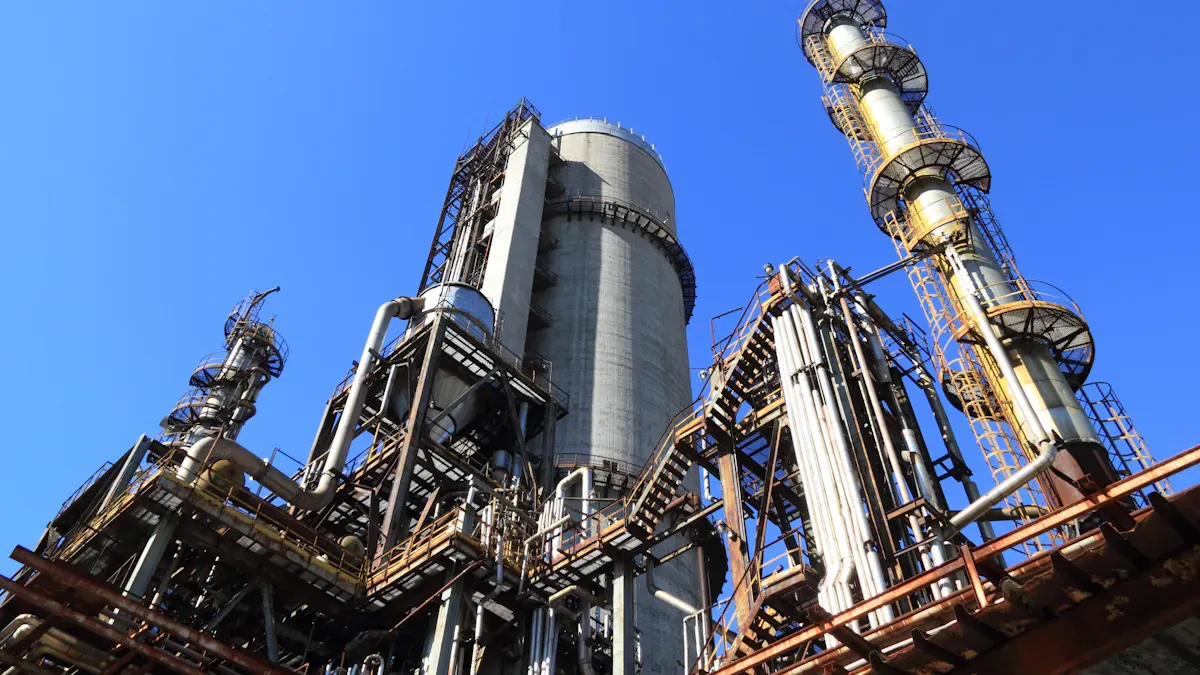
You must pick a good spot for your factory. The place you choose affects safety and cost. Look at the land and see what it is like. Check the soil and how water moves through it. Make sure chemicals cannot leave the area. Look at how close the water table is. See if there are rivers or lakes nearby. This helps keep nature safe.
Before building, check local zoning laws. Some places do not allow pesticide factories. Get the right permits from local offices. This keeps your factory legal and safe.
A smart layout helps your team work well. Plan so materials move in a straight line. This lowers the risk of contamination. Use zones to keep steps apart. This makes cleaning easier. Set up equipment in the best way. This helps avoid mistakes and keeps workers safe.
Tip: A good layout saves time and money. It helps you follow safety rules and keep products clean.
Equipment Choices and Automation
Pick equipment that fits your needs. Modern machines make work faster and safer. New technology puts pesticides where they are needed. Controlled-release systems use less product and protect crops longer. Nano-pesticides use tiny particles to work better and lower harm.
Here is a table showing some new equipment:
Advancement Type | Description |
|---|---|
Targeted Delivery Systems | Delivers pesticides right to the target area for better results. |
Controlled-Release Formulations | Releases pesticides slowly, so you do not need to apply them as often. |
Nano-Pesticides | Uses small particles to increase effectiveness and reduce environmental impact. |
Automation brings many benefits to your factory. Machines work faster than people. You need fewer workers, so costs go down. Automated systems check product quality in real time. You can fix problems right away and keep standards high.
Jiangsu TOM Group’s Agrochemical Intelligent Filling Line is a good example. This filling line sorts bottles and stacks them on pallets. You can run it all day and night. This helps your business grow. The system can be set up in different ways. It matches your container type and how much you want to make. You only need a few people to run the line. This saves on labor and keeps things smooth.
Quality Assurance and Scalability
Focus on quality at every step. Set up strong quality control to check products. Use machines to weigh, track, and test pesticides as they move through the factory. This helps catch mistakes early and keeps products safe.
A good factory lets you grow your business. Plan for expansion when you design your building. Pick machines that can handle more work as orders increase. For example, the Agrochemical Intelligent Filling Line supports fast production. It can be adjusted for different needs. You can make more products without changing everything.
Note: Quality starts with raw materials and goes through every step. Train your team to check for problems. Keep records of every batch.
You must meet strict rules for safety and quality. Regular checks and updates help you stay ahead. Using smart machines and planning for growth keeps your factory strong for years.
Launch and Growth Steps in Pesticide Manufacturing
Marketing and Brand Strategy
You need a good marketing plan to start your pesticide business. Show what makes your pesticide special. For example, talk about eco-friendly features or how well it works. This helps people notice your product. Use clear words and be honest to build trust. Share stories about how your pesticides help. Explain how they work in simple ways. Make sure your brand looks the same everywhere. Create a brand guide for your team. Use the same colors, logos, and messages. Try both old and new ways to market. Use things like mobile apps and social media. This helps customers get what they want fast.
Strategy | Explanation |
|---|---|
Differentiation | Show your special value, like eco-friendly or strong results. |
Overcoming negative perceptions | Tell true stories and use facts to build trust. |
Consistency across channels | Keep your brand the same everywhere for customer trust. |
Adapting to customer preferences | Use old and new marketing to reach more people. |
A strong brand makes people feel sure about you. Customers trust you and buy again. When your brand is always the same, it shows you care about quality.
Distribution and Market Linkage
You need good ways to get your products to customers. Work with local dealers and distributors who know the area. Make deals with farm supply stores and cooperatives. Sell your pesticides online to reach farmers directly. Make sure your products are easy to find and buy. Keep your supply chain simple and steady. This helps you deliver on time and keeps customers happy.
Tip: Build good relationships with your partners. Talking often helps fix problems fast.
Evidence | Explanation |
|---|---|
Branding helps you stand out in a busy market. | Customers see your products first. |
Consistent branding everywhere shows you are organized and care about quality. | Customers expect good products and service. |
Post-Launch Monitoring and Expansion
After you start, watch how your business is doing. Check important numbers to see if you are growing. Look at how much it costs to get a new customer. Try to keep this cost under $85 in 2026. Check your gross margin percentage. Aim for more than 750%. Watch how many customers leave each month. Keep this number under 5%. Look at your monthly recurring revenue to see steady income. Track how busy your workers are and how much you spend to run the business.
Metric | Description | Target/Review Frequency |
|---|---|---|
Customer Acquisition Cost (CAC) | Cost to get one customer; try for under $85 in 2026. | Check every month |
Gross Margin Percentage (GM%) | Money left after costs; aim for 750% or more in 2026. | Check every week |
Customer Churn Rate | Shows how many customers leave; keep under 5% monthly. | Check every month |
Monthly Recurring Revenue (MRR) | Shows steady income; check growth every month. | Every month |
Check these numbers often. This helps you find problems early and plan for growth. Change your steps as you learn more. Grow your factory when more people want your products. Keep making your pesticides and services better.
You can start your pesticide factory by following easy steps. First, make a good plan. Find out what the market needs. Learn about the legal rules you must follow. Pick the best technology for your factory. Use good machines to make safe pesticides. Get help from experts like Jiangsu TOM Group. Always think about safety and how to grow your business. Start now and give farmers better pesticide choices.
Remember: Planning well and working together help you win in the pesticide business.
FAQ
What licenses do you need to start a pesticide factory?
You need a manufacturing certificate. You also need product registration and business registration. You must get environmental permits. Check your local laws for more rules. Always keep your papers up to date.
How can you make your factory safer for workers?
Train your team so they know what to do. Use safety gear like gloves and masks. Check equipment often to make sure it works. Set clear rules for handling chemicals. Practice safety drills so everyone is ready.
Why is automation important in pesticide manufacturing?
Automation helps you finish work faster. It lowers mistakes and keeps things safe. Machines check product quality and pack bottles. You spend less money on workers. Safety gets better with automation.
What is the Agrochemical Intelligent Filling Line?
This filling line fills and packs bottles fast. It uses smart technology like QR code tracking. Robotic palletizing helps stack bottles. Only a few workers are needed to run it.