





Corrosion-Resistant Filling Machines for Hazardous Chemicals
 Aug 26, 2026|
 View:360
Standard filling machines break down fast when they touch acids, bases, or bleaches. Corrosion damages metal parts, ruins seals, and spoils your product. You face costly downtime, wasted batches, and serious safety risks. A corrosion-resistant filling machine fixes this with special materials and smart design. You need equipment built for harsh chemicals. This article explains the key materials, anti-corrosion features, and versatility of these machines. You will learn how automatic corrosion resistant filling machines protect your work. You will also see how a corrosion resistant filling machine handles hazardous liquids safely. Knowing these options helps you pick the right equipment. Your chemical lineup needs reliable, safe machinery. Corrosion-resistant filling machines cut contamination and boost safety. You can trust them in any tough setting.
Key Takeaways
Pick materials such as HDPE, PTFE, or 316L stainless steel that fit your exact chemicals. This stops rust and keeps things safe.
Choose explosion-proof designs and double mechanical seals. These keep workers safe and keep the product clean in dangerous places.
Choose a machine that can fill different kinds of chemicals and fit various container sizes, so it works well for many needs.
Always check charts that show which chemicals can safely mix before using a new product, so you don't harm your equipment or cause contamination.
Buy a corrosion-resistant filling machine to cut down on downtime, save money, and keep your work safe and reliable.
Materials That Define Corrosion-Resistant Filling Machines
The materials you pick decide if your equipment can survive harsh chemicals. Standard machines cannot handle acids, bases, or bleaches. The wrong material causes corrosion, ruined product, and dangerous leaks. You must match every part that touches the chemical to that specific chemical. This choice keeps your workers safe, your product pure, and your costs down.
Plastics and Polymers
Plastics are the first shield in corrosion-resistant filling machines. High-density polyethylene (HDPE) and ultra-high molecular weight (UHMW) plastics work best for strong acids and caustics. These materials resist weak mineral acids like hydrochloric acid and sulfuric acid. They also handle strong bases such as sodium hydroxide and potassium hydroxide very well. You can trust HDPE for frames and contact parts in most chemical jobs.
PTFE, also called Teflon, protects even more. This material stays inert to nearly every chemical, acid, and solvent you meet. Its non-stick surface stops buildup and residue transfer between batches. You clean less and lower the risk of cross-contamination. The low friction of Teflon-coated parts also reduces wear on moving pieces. Metal parts coated with PTFE resist oxidation and corrosion in wet areas.
PVC, PVDF, and polypropylene give more choices for tough environments. These plastics handle chlorine-based compounds and oxidizing agents that would ruin weaker materials. For highly corrosive products, you can remove all stainless steel from the product path entirely. Plastic tanks, HDPE filler frames, Teflon tubing, and plastic valves replace metal parts. This all-plastic build protects equipment against spills, drips, and splashes that would stain or damage stainless steel.
Chemical Category | HDPE Resistance at 20°C | HDPE Resistance at 60°C |
|---|---|---|
Dilute acids (HCl, phosphoric) | Satisfactory | Satisfactory / Limited |
Strong oxidizing acids (conc. nitric) | Limited | Not resistant |
Alkalis / bases (NaOH, KOH) | Satisfactory | Satisfactory |
Always check a chemical compatibility chart before choosing equipment for a new product. Material compatibility is a must in this industry.
Metal Alloys and Coatings
Some parts need strength that plastics cannot give. High-grade stainless steel, especially 316L, offers durability and corrosion resistance for these parts. Type 316L handles water with up to about 2,000 ppm chloride, which is twenty times more than Type 304 can handle. The low carbon content in 316L improves resistance to intergranular corrosion in welded areas. This makes it the top pick for tough environments.
Property | 316 Stainless Steel |
|---|---|
Pitting Resistance Equivalent (PREN) | 24.2 |
Corrosion rate (marine splash zone) | 0.86 µm/year |
Max chloride tolerance (ambient water) | ~2,000 ppm |
Stress corrosion cracking risk | Above ~60°C |
Stainless steel filling machines clean easily and last long. But you must confirm that 316L fits your specific chemical. Concentrated hydrochloric acid causes uniform corrosion, while ferric chloride creates pitting. The corrosion type changes with each acid, so you cannot assume one metal handles everything.
Protective coatings extend the life of metal parts in chemical filling equipment. Halar and PFA coatings give excellent chemical resistance while keeping equipment strong. PFA offers high-temperature stability and a low permeation rate. Its melt-fused film structure creates fewer pinholes than sintered PTFE dispersions. These properties stop corrosion and contamination of metal parts in continuous-duty chemical plants running at high temperatures.
Your material choice depends fully on the specific chemical you handle. Non-reactive materials prevent contamination and keep operators safe. High-grade stainless steel suits some corrosive solvents, while plastics handle others better. You must check each product in your lineup against the available materials. This careful selection keeps your corrosion-resistant filling machines running reliably for years.
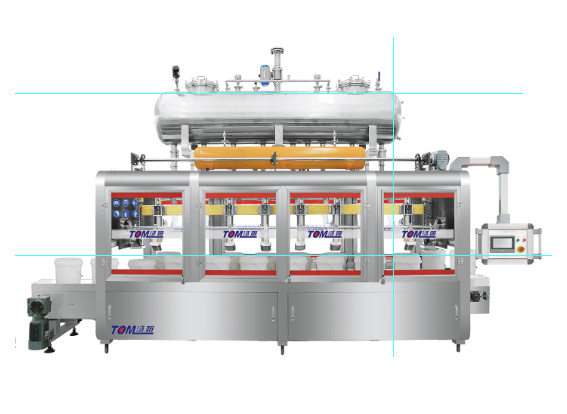
Anti-Corrosion Features for Hazardous Environments
Filling flammable or corrosive chemicals with standard equipment is very risky. Your machine needs strong anti-corrosion features to stop fires, contain leaks, and keep workers safe. These features also keep your product clean and free from contamination. Good anti-corrosion features make equipment last longer and cut downtime.
Explosion-Proof Design
Flammable chemicals can create explosive conditions near your filling machine. Always check chemical compatibility before picking equipment for each product. Compatibility guides show which materials resist damage from your specific chemicals. You need equipment that meets Class I, Division 1 standards from the NEC handbook. This rating covers areas where flammable gases or vapors are present during normal work. Certified explosion-proof electrical parts seal motors, sensors, control cabinets, and wiring to lower ignition risks. The machine also uses anti-static designs, grounding systems, and pressure-resistant enclosures. These layered protections reduce fire or explosion risk when handling low-flash-point liquids.
Explosion-proof enclosures contain any internal explosion. Precisely machined gaps let gases escape slowly, cooling flames below ignition temperature. This method protects motor starters, switches, and junction boxes. Purge and pressurization systems pump clean air or inert gas continuously into enclosures. They create higher internal pressure that keeps explosive atmospheres out. An automatic shutdown activates if pressure drops. Wiring requires threaded rigid metal conduit with explosion-proof fittings. Every connection must be wrench-tight with at least five full threads engaged.
Protection Level | Definition | Zone Compatibility |
|---|---|---|
Ga (Very High) | Safe even in abnormal conditions, including two simultaneous faults. | Zone 0 |
Gb (High) | Safe during normal operation and in the event of a single fault. | Zone 1 |
Gc (Enhanced) | Safe during normal operation, may include measures to minimize ignition risks in fault situations. | Zone 2 |
Pneumatic actuation is a safer choice than electric motors. Pneumatics do not create sparks, so they work well where flammable vapors exist. Single-acting models return to a safe position if air pressure drops. This fail-safe mechanism stops the machine safely during pressure loss. Pneumatic actuators also respond faster than electric ones. They cost less too.
Sealing and Containment Systems
Sealing mechanisms stop product leaks and protect your operators. Double mechanical seals create a barrier between the chemical and the outside. They use two sets of sealing faces with a lubricating fluid between them. If one seal fails, the second seal still holds the chemical. This design gives you time to find the leak and shut down safely.
PTFE bellows provide another key sealing solution. Their non-stick nature and chemical compatibility prevent buildup and substance leaching. This keeps fluids uncontaminated during corrosive chemical filling. PTFE resists attack from harsh chemicals. It removes the need for frequent pipework replacement and lowers exposure risk for operators.
Aspect | PTFE Bellows Property | Direct Benefit |
|---|---|---|
Product Purity | Non-stick nature & chemical compatibility | Prevents buildup and leaching, ensuring fluids remain uncontaminated |
Operator Safety | Chemically inert & withstands degradation | Reduces exposure risk and eliminates replacement |
Fume containment systems capture and neutralize hazardous vapors. They protect operators and the environment from toxic fumes. Leak detection and shutoff mechanisms automatically halt filling if a leak is found. Emergency stop buttons allow immediate machine shutdown.
Only qualified personnel should operate these machines. Before any cleaning or maintenance, disconnect electrical power, isolate pneumatic pressure, and apply personal locks and tags. Always wear chemical-resistant gloves, safety glasses, and closed-toe shoes. Never operate with guards or interlocks removed.
Sealing systems also keep product purity by preventing contamination. Double seals stop external contaminants from entering the product path. PTFE bellows prevent cross-contamination between batches. These features focus on protecting your product from damage and ensuring consistent quality. Material compatibility is essential for every component that touches your chemical. Chemical exposure shortens equipment life. Proper material selection prevents this issue.
Your corrosion-resistant filling machines must include these features to handle harsh chemicals safely. Explosion-proof design prevents ignition in flammable environments. Sealing systems contain leaks and protect your operators. Together, these features maintain safety and product purity in your facility.
Versatility of Corrosion Resistant Filling Machine
No single machine can handle every hazardous liquid you make. Your chemical lineup may include thin solvents, thick pastes, and foamy acids. A versatile corrosion resistant filling machine adapts to each product without losing accuracy or safety. You need equipment that switches between batches quickly and fills any container you send down the line. This flexibility protects your investment and keeps production moving.
Filling Principles for Various Chemicals
Different chemicals need different filling methods. You must match the principle to the product's thickness and behavior. The table below shows how three common systems work.
Filling System | Operational Principle | Best For |
|---|---|---|
Weighing-type | Load cells measure product weight under each nozzle; fills until target weight reached | High-value products needing 0.1% accuracy |
Piston | Cylinder draws a set volume, then pushes it out through the nozzle | Thick pastes above 1,000 cP |
Overflow | Fills to a consistent level; excess returns to supply tank | Thin, foamy liquids |
Weighing-type systems suit corrosive chemicals in drums or IBCs where rules demand exact weight. Piston fillers handle ketchup, gels, and industrial adhesives without trapping air pockets. Overflow filling works for acids and bleaches when built with HDPE contact parts instead of stainless steel.
Modern servo-driven systems adjust quickly to different densities. They handle products from hair gels at about 5,000 centipoise to super thick adhesives at 500,000 cP while staying within half a percent accuracy. You can run multiple products on one line without losing consistency. Modular designs let you switch between batches quickly. This flexibility matters when your chemical products range from thin brake fluid to thick chili sauce.
Container and Volume Flexibility
Your containers vary from small bottles to massive totes. Adjustable guide rails widen or narrow to fit round, flat, square, or custom shapes. A bottle-clamping mechanism centers each container under the nozzle regardless of its design. You can reposition nozzles to match different heights and mouth diameters. Multi-nozzle setups adjust for off-center openings.
Two machine classes cover a wide volume range. The RITO-CF-S series handles 100ml to 5000ml for consumer goods. The RITO-CF-L series manages 5L to 30L for bulk containers. Small bottles range from 25 ml to 500 ml, medium bottles from 500 ml to 2 L, and large jugs from 2 L to 500 L. IBC totes reach 1000 L to 2000 L. Custom shapes adapt to any size you need.
Industries like agrochemicals, paints, and lubricants rely on these machines daily. Corrosion-resistant construction uses non-metallic materials for all contact parts. PLC touch-screen interfaces give precise control of speed, volume, and accuracy. Anti-drip and anti-splash designs prevent leaks during hazardous chemical handling. Fully automated models with multiple heads reach high speeds for large-scale production. You can integrate lidding, labeling, and palletizing for a complete line.
Chemical compatibility remains the foundation of every choice you make. Each product you run must match the materials in your machine. Check compatibility guides before switching to a new chemical. This careful review prevents corrosion and keeps your equipment running for years. Automatic corrosion resistant filling machines deliver this versatility while protecting your operators and your product quality.
Material selection forms your first defense against corrosion. Plastics, alloys, and coatings protect your equipment from harsh chemicals. Anti-corrosion features like explosion-proof design and sealing systems ensure safety and product purity. Versatility in filling principles and container flexibility makes your investment cost-effective.
Choosing a corrosion-resistant filling machine goes beyond equipment longevity. You protect operational safety, product quality, and regulatory compliance. Every chemical product you handle demands careful chemical compatibility review. This compatibility check prevents contamination and extends machine life.
Assess your specific chemical portfolio and production needs. Consult packaging machinery experts to find the optimal solution. Automatic corrosion resistant filling machines handle hazardous environment challenges effectively. Your corrosion resistant filling machine must match each chemical you run. Corrosion-resistant filling machines deliver reliable performance in hazardous settings.
FAQ
How Do I Choose the Right Materials for My Chemical?
You must match every part that touches the chemical to that chemical. Look at a chemical compatibility chart before you buy. HDPE and PTFE stand up to most acids and bases. Stainless steel 316L works for some solvents. Your choice depends on the product. Bad materials cause corrosion and wasted product.
Can One Machine Handle Multiple Chemicals?
Yes, but you must check that each product works with the machine. PTFE and HDPE parts handle many corrosive liquids. You need to clean well between batches. This cleaning stops cross-contamination. Check your chemical list against the machine's materials. A flexible machine saves money when you run different products.
What Safety Features Should I Look For?
Explosion-proof ratings matter for flammable chemicals. Pneumatic actuation avoids sparks in dangerous areas. Double mechanical seals hold in leaks. PTFE bellows stop chemical seepage. These features keep your operators safe. They also keep your product pure. Always make sure the machine meets Class I, Division 1 standards for your area.
How Often Should I Clean the Machine?
Clean after every batch change. Leftover buildup causes contamination and hurts accuracy. Use cleaning agents that work with your chemical. Rinse all parts that touch the product. Check seals and gaskets often. Replace worn parts right away. Good cleaning makes equipment last longer and keeps your product safe.
Do These Machines Handle Thick Pastes and Thin Liquids?
Yes. Weighing-type fillers handle thin liquids with high accuracy. Piston fillers manage thick pastes above 1,000 centipoise. Overflow systems suit foamy products. You can switch between thicknesses with modular designs. This flexibility makes your investment useful for many chemical lines.