





How Labor Costs Cut by 60% with Automated Agrochemical Filling Lines
 Aug 04, 2026|
 View:198
Modern chemical factories face big costs. Manual packing wastes expensive product. New packing technology changes this. Managers cut labor costs by 60%. They add fast agrochemical filling machines.
Key Operational Shift
Old lines need 10 workers. New systems need 2 operators. They raise output by 40%, ensuring labor costs cut across the board.
Tompacks makes smart filling machines. These tools use PLC controls. They are very accurate. This technology stops manual measuring. It removes product waste. It speeds up daily work while keeping labor costs cut significantly over time.
Key Takeaways
Auto filling lines lower factory work costs by 60%.
Smart tools raise total factory output by 40%.
Exact piston fillers stop costly product waste.
Sealed auto systems keep workers safe from bad fumes.
Bosses earn back machine costs in two years.
Mechanisms Behind the 60% Labor Cost Cut
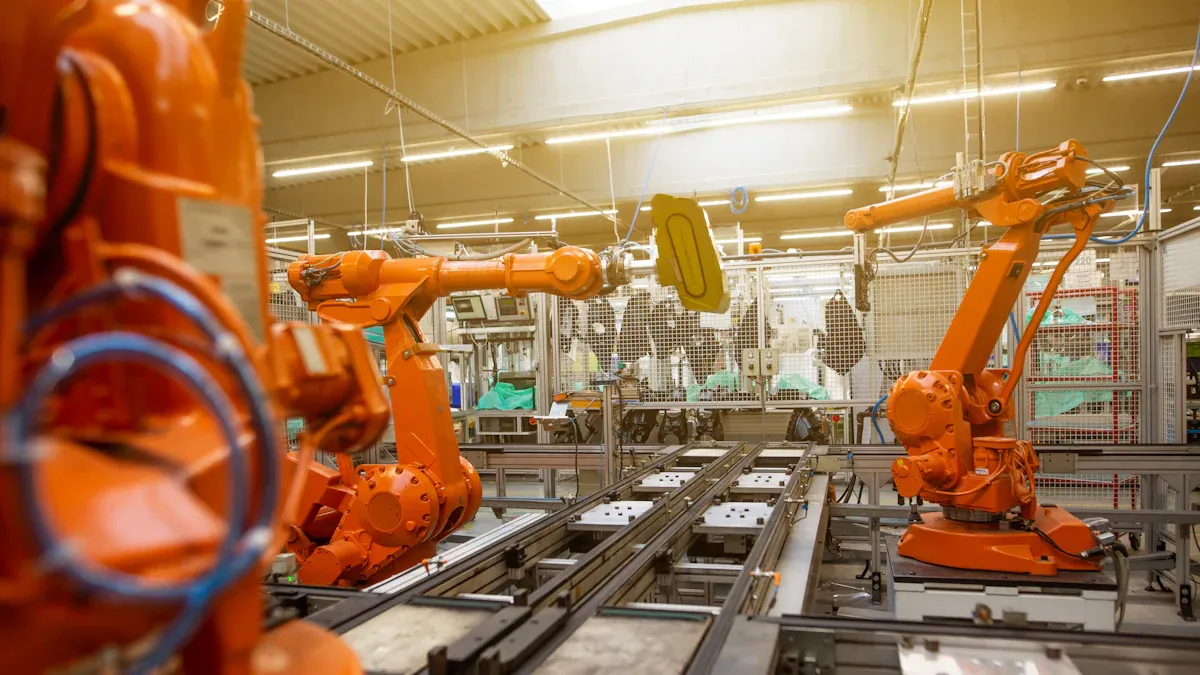
Agrochemical plants lower costs by modernizing old packing setups. New machines work fast. They replace human labor with quick lines.
Metric | Automated Filling Systems | Manual Filling Methods |
|---|---|---|
Operational Speed & Output | Fast speed. High output. | Slow speed. Limited human power. |
Fill Accuracy & Quality | Very accurate. Less waste. | Low consistency. Many errors. |
Labor Requirements | Few workers. Simple supervision. | Many workers. High costs. |
Upfront Investment | High initial cost. | Low starting cost. |
Adaptability & Downtime | High flexibility. Quick changes. | Low versatility. Worker fatigue. |
Manual packing has long delays. Workers take breaks. Shifts change often. People call in sick. Machines fix these slow bottlenecks. They make work continuous.
PLC Piston and Flow Meter Precision
Smart systems stop filling mistakes. PLC units run piston pumps. They control flow meters with exact timing. These tools measure liquids fast.
Exact fills stop liquid waste. Overfilling wastes costly chemicals over time. Tompacks builds tough filling machines. They handle thick liquids easily. Special valves stop drips on bottle edges.
Steady machine cycles keep weights exact. Automatic systems remove manual cups. They replace hand scales completely. This precision protects factory profits. It keeps products uniform always.
Integrated Monoblock Capping and Labeling
Combined machines link packaging steps together. Factories use robotic unscramblers. They place empty jugs on moving belts. Line sensors move bottles automatically without workers.
Operational Insight: Linked tools allow smooth product flow with almost no human help.
Tompacks monoblock systems combine bottle placement, sealing, and capping. One safe machine does it all. Capper modules apply exact torque easily.
Conveyor & Indexing Systems: Belts move bottles between stations smoothly. No human moving is needed.
Integrated Processing Equipment: Stations place caps, seal foils, and stick labels quickly.
End-of-Line Packaging: Packers and palletizers wrap boxes automatically. No hand packing is required.
Linking these stations lets one worker run everything. This smart setup helps plant owners achieve a lasting labor costs cut.
Recipe-Driven Rapid Switchovers
Factories pack many chemical formulas daily. Manual changes take hours of hard work. Workers remove hoses with hand tools. They reset rails manually.
Modern agrochemical filling machines simplify product changes with digital recipes. Operators select stored formulas on touchscreens. The system adjusts servo motors instantly. It changes fill volumes automatically.
[Touchscreen Interface] Select Chemical Recipe Automatic Servo Adjustments Line Ready
Physical line changes use easy tool-free parts:
Hand Knobs: Turn easily to move fill heads and conveyor rails fast.
Wing Nuts: Loosen by hand to adjust bottle gates quickly.
Tool-free changes reduce setup time from hours to minutes. Fast changes increase line uptime. Quick setups help plants boost production efficiency during busy seasons.
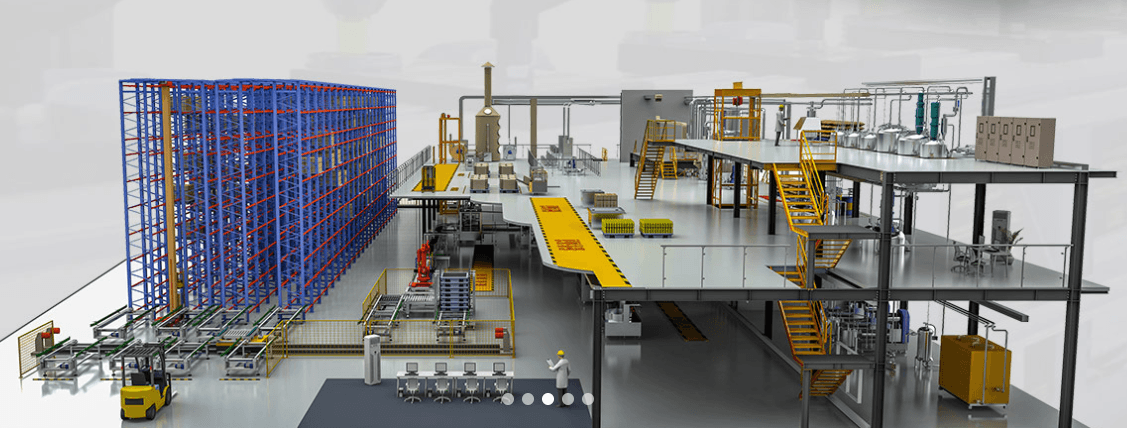
Restructuring Plant Labor and Operational Workflow
Automated agrochemical filling lines change daily factory work. Smart machines replace big manual teams. This change lowers daily payroll costs. It cleans up liquid processing fast.
Shift from Manual Crews to Technical Supervision
Old packaging work needs heavy labor. Hand crews fill jars and lids. They seal foils and stack boxes. Large teams raise total payroll costs. They cause big management problems too.
Automated lines change this work setup. One trained person runs everything. They use digital touch panels. Workers leave dirty manual tasks behind. They move into better technical roles. Supervisors check sensors and liquid recipes. They inspect finished boxes carefully.
The money comparison shows big savings:
Performance & Cost Metric | Multi-Operator Manual Line | Single-Operator Fully Automatic Line | Overall Impact / Savings |
|---|---|---|---|
Staffing Level per Shift | Needs 5 workers | Needs 1 supervising worker | 80% decrease in needed workers |
Yearly Labor Expenses | Costs $125,000 to $300,000 | Costs $30,000 to $70,000 | Yearly savings up to $230,000 |
Unit Production Cost (per 1,000 units) | Costs $15 to $50 | Costs $2 to $8 | Cost drops by 60% to 85% |
Cumulative 5-Year Labor Expenditure | Hits $1,500,000 | Drops to $350,000 | Total 5-year savings of $1,150,000 |
How Automated Lines Reduce Labor Costs and Overtime
Manual lines face constant slow delays. Tired workers fill jugs very slowly. Hand capping and labeling create bottlenecks. Plants pay expensive overtime hours often.
Operational Standard: Automated packaging machines maintain precise, uninterrupted cycle speeds across entire operating shifts.
Tompacks combined systems fix hard schedules. Piston fillers and cappers run fast. They never slow down once. Steady cycle speeds stop extra overtime. Continuous work boosts output by 40%.
Smart tools help cut labor costs. Predictable speeds help managers plan shifts. Plants finish fill orders on time. They skip expensive weekend work completely. This production efficiency keeps factory budgets steady.
Mitigating Turnover and Retraining Expenses
Agrochemical plant rooms are tough spaces. Fumes and heavy lifting tire workers. Manual packing plants lose staff fast.
High worker turnover wastes factory money:
Frequent Onboarding: HR teams spend long hours interviewing.
Continuous Retraining: Bosses waste time teaching safety rules.
Assembly Line Errors: New workers spill chemicals by accident.
Automated lines keep workers safe. Enclosed fillers and robots keep air clean. Better spaces keep staff happy. Managers retain good supervisors longer. Fewer quits protect plant budgets over time. This preserves a lasting labor costs cut.
Indirect Savings from Hazardous Material Automation
Minimizing Operator Exposure to Toxic Chemicals
Heavy agrochemicals harm human health. Closed machines protect workers well. They stop dangerous vapors. They block acid spills too.
Enclosed systems seal toxic fumes completely. Operators watch lines safely. They stand behind clear shields. This isolation prevents skin contact. It stops breathing risks completely. Clean air protects all workers. It works through full shifts.
Reducing PPE and Safety Compliance Costs
Manual chemical packing needs costly PPE. Factories buy expensive gear continuously. They need special rubber gloves. They buy suits and masks. Sealed lines lower supply costs fast.
Robotic chemical lines assist in satisfying safety and compliance mandates by automatically generating digital, traceable logs for every hazardous material movement, offering an accurate audit trail that manual operations struggle to maintain.
Standard processing stops spills easily. Clean work cuts costly cleanups. It lowers hazardous waste fees.
Lowering Workplace Liability and Insurance Premiums
Safe places protect plant owners. They avoid costly accident claims. Fewer accidents lower insurance rates. Insurers reward safe chemical plants. They offer much cheaper policies.
Agrochemical automation secures lasting protection. These safety perks save money. Plants cut big costs quarterly.
Financial Impact and ROI Timeline
Smart chemical lines make money fast. Managers get big financial gains. They keep labor costs cut always.
Throughput Gains and Rework Reduction
Hand packing causes many mistakes. People spill costly chemicals often. They put caps on loosely. Mistakes waste expensive bottles daily. Automatic Tompacks lines stop errors fast. Exact pistons give true fills. Smart cappers tighten every lid.
[ Precision Filling ] Zero Drip Waste Perfect Cap Torque Maximum Output
Factories save $27,500 per line. Better workflows lower overall spending. Steady machines speed up output. They clear out daily bottlenecks.
Payback Period and Line Cost Savings
New packaging tools give clear returns. Smart setups drop wage costs fast. Small crews need zero overtime.
Financial Parameter | Manual Line Performance | Automated Tompacks Line |
|---|---|---|
Annual Line Operational Savings | Baseline Standard | ~$27,500 saved per line |
Average Payback Period | N/A | 18 to 24 Months |
Product Waste Rate | High (Human Error) | Near Zero |
Factories pay back machines fast. Most see profits in 18 months. Fast filling keeps savings growing. Low wages protect factory budgets.
Automated agrochemical filling lines drop labor costs cut permanently. They lower labor expenses by 60%. Smart updates raise output by 40%. They also cut payroll costs and waste. Furthermore, smart machines stop toxic chemical exposure.
Leaders can update factories using five easy steps:
Assessment Phase (4 Weeks): Check current tools, safety logs, and workflows.
Parallel Run Phase (12 Weeks): Run new machines alongside old lines.
Validation Phase (4 Weeks): Verify system data and check safety rules.
Cutover Phase (2 Weeks): Remove old tools. Move all data over.
Optimization Phase (Ongoing): Fine-tune settings to keep high performance.
Plant directors should check factory workflows now. Contact Tompacks for complete automation systems today.
FAQ
How do automated filling lines cut agrochemical labor costs cut by 60%?
Smart machines link bottle moving and liquid fills. They seal caps and apply labels fast. One person runs the line. Old setups need ten workers. This change drops wage costs fast. Plant output jumps 40%.
What is the average ROI timeline for an automated agrochemical filling line?
Financial Insight: Lower labor needs and zero spills return money fast.
Firms pay back costs in two years. Small crews save big money. Zero waste lowers costs fast. No overtime keeps budgets low.
Can Tompacks automated equipment handle corrosive or viscous chemicals?
Yes. Tompacks builds strong fillers. They use tough, safe materials.
Drip-Free Valves: Keep bottle sides clean.
Sealed Enclosures: Trap bad chemical fumes.
Viscous Fluid Handling: Move thick fluids easily.
How quickly can operators complete product switchovers on automated lines?
Touchscreens and simple knobs speed up changes. Setting new recipes takes minutes. Workers tap digital screens. The smart machine shifts motors fast. No hard tools are needed.
Recommended Products
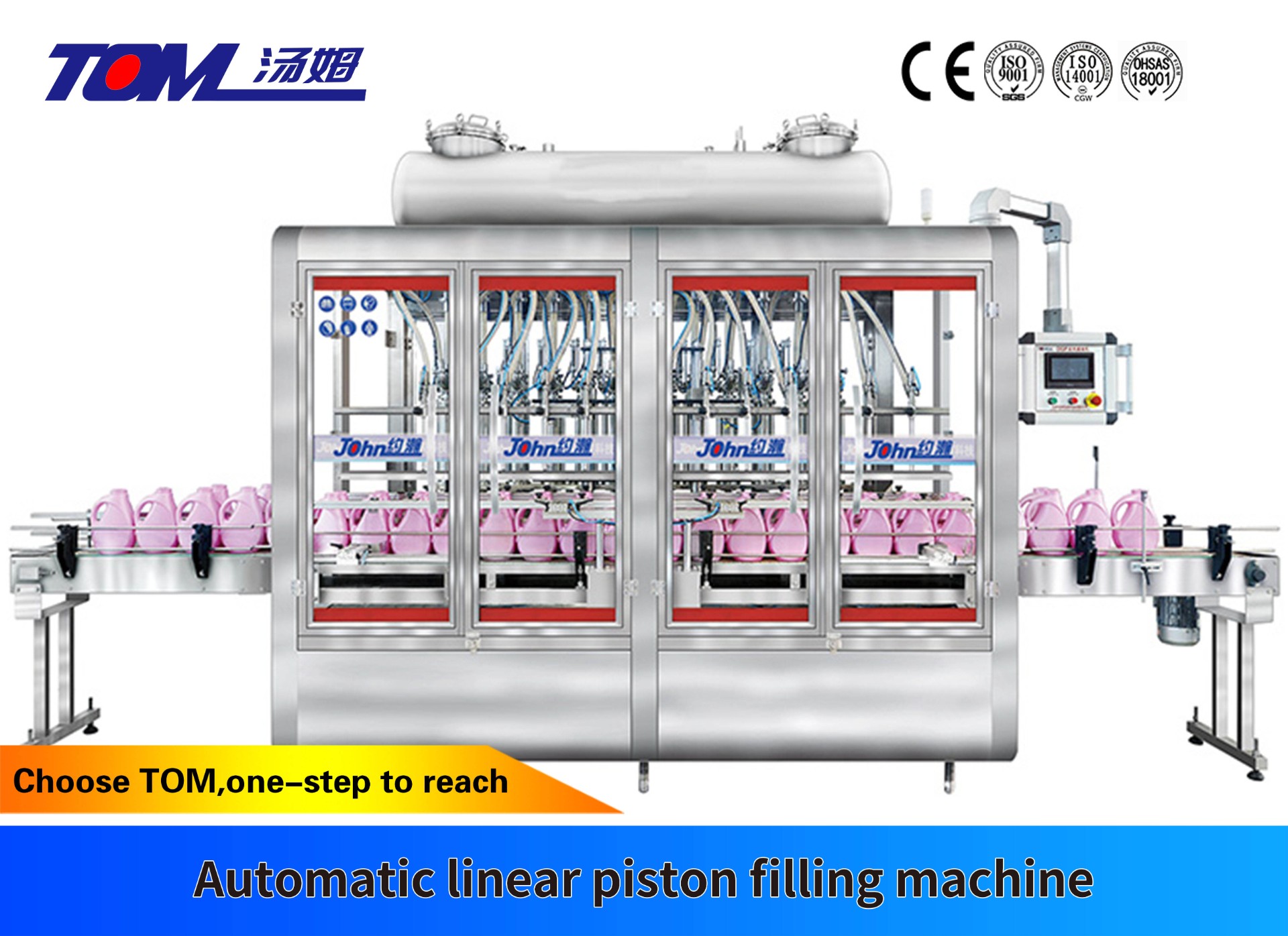
DGP-Z-13DSL Automatic linear piston filling machine

XG-ZK-Z fully automatic inline vacuum capping machine

FXZ automatic inline cap tightening machine

FXZ-B fully matic inline cap tightening machine

DGP-GL series electric induction in-line measuring cup filling machine

FXZ-10B Automatic linear capping machine (5 groups capping wheels)

DGP-Z-D Automatic linear piston filling machine(100-1000ml)

DGP-Z-D Automatic linear piston filling machine for Motor oil(1-5L)

FXZ automatic inline cap tightening machine


Recent News
1.Agrochemical Filling Lines | Precision, Automation, and Efficiency
2025-05-132.CAC2025 | Jiangsu Tom Group: The top overall solution provider for intelligent factories of global agrochemical preparations, dazzling everyone!
2025-03-203.The best filling machine manufacturer for Agrochemical In china
2026-01-094.±0.5% Precision: TOM’s Intelligent Filling Line for Agrochemicals
2026-07-275.How Labor Costs Cut by 60% with Automated Agrochemical Filling Lines
2026-08-04